Address
Zhengzhou, Henan, China
Work Hours
Monday to Friday: 7AM - 7PM
Weekend: 10AM - 5PM
Address
Zhengzhou, Henan, China
Work Hours
Monday to Friday: 7AM - 7PM
Weekend: 10AM - 5PM


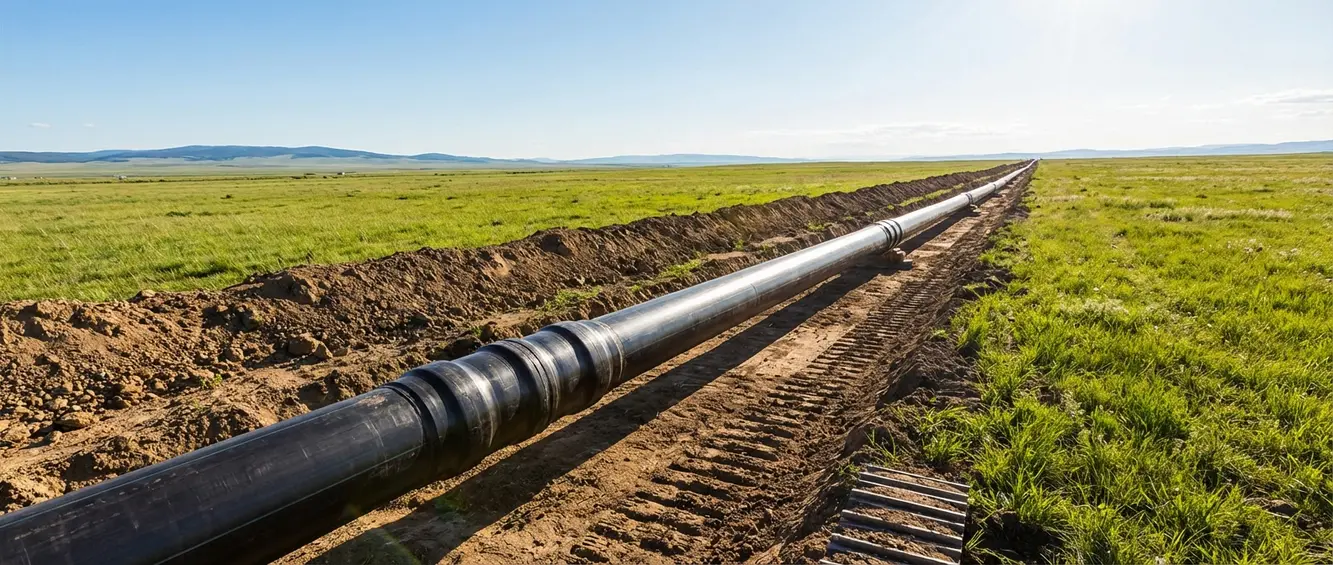 Ensuring the long-term integrity of a pipeline is a critical challenge for any infrastructure project. The strength of high-density polyethylene (HDPE) pipes is undisputed, but the system is only as strong as its joints. The choice of welding technology, particularly the selection of a high-performance HDPE electrofusion machine, is a pivotal decision that guarantees a leak-proof, durable, and reliable network for decades to come.
This comprehensive guide is designed for procurement specialists and construction contractors navigating the complexities of pipeline technology. We will delve into the critical comparison between socket and butt fusion, outline the essential features to look for in electrofusion equipment, provide a step-by-step installation guide, and cover the quality assurance standards that underpin a successful project. By the end, you will have the expert knowledge needed to select the best machine and implement flawless electrofusion jointing methods.
Ensuring the long-term integrity of a pipeline is a critical challenge for any infrastructure project. The strength of high-density polyethylene (HDPE) pipes is undisputed, but the system is only as strong as its joints. The choice of welding technology, particularly the selection of a high-performance HDPE electrofusion machine, is a pivotal decision that guarantees a leak-proof, durable, and reliable network for decades to come.
This comprehensive guide is designed for procurement specialists and construction contractors navigating the complexities of pipeline technology. We will delve into the critical comparison between socket and butt fusion, outline the essential features to look for in electrofusion equipment, provide a step-by-step installation guide, and cover the quality assurance standards that underpin a successful project. By the end, you will have the expert knowledge needed to select the best machine and implement flawless electrofusion jointing methods.
In the world of high-density polyethylene (HDPE) pipeline construction, the integrity of a joint is paramount to the system’s longevity and reliability. The choice between socket fusion and butt fusion is a critical decision that impacts project efficiency, cost, and long-term performance. While both methods create strong, monolithic joints, they operate on different principles and are suited for distinct applications. Understanding these differences is the first step in selecting the right process and, consequently, the ideal equipment, such as a high-performance hdpe electrofusion machine.
Socket fusion involves an external fitting with a pre-installed heating coil. The pipe is inserted into the fitting, and the electrofusion machine applies a controlled electrical current, melting both the inner surface of the fitting and the outer surface of the pipe. This method is renowned for its reliability and ease of use in confined spaces. Conversely, butt fusion involves heating the squared ends of two pipes with a heater plate and then pressing them together under controlled pressure until they fuse. This technique is highly efficient for long, straight pipe runs and large-diameter pipes, as it doesn’t require additional fittings for simple joints. The decision often hinges on factors like pipe diameter, site accessibility, and the complexity of the pipeline layout.
The fundamental difference lies in the jointing mechanism. Electrofusion, a form of socket fusion, is an additive process using a coupling, while butt fusion is a direct pipe-to-pipe process. This distinction dictates their ideal use cases.
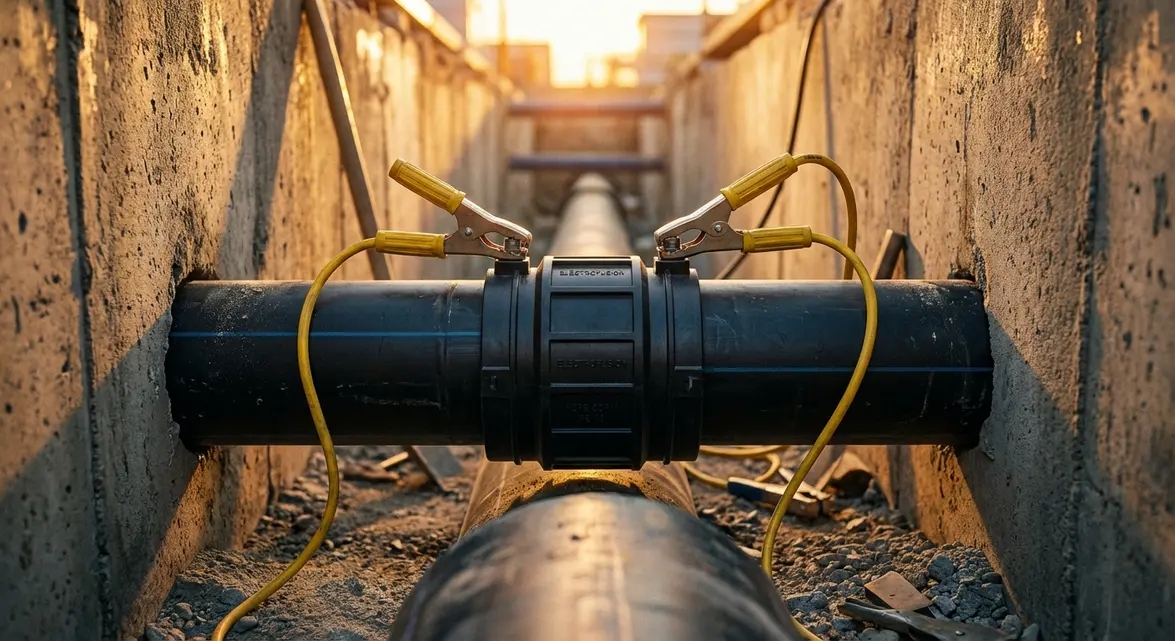
Each method presents a unique trade-off. Butt fusion’s main advantage is its low cost for linear joints, but it requires highly skilled operators and significant space. Electrofusion offers superior repeatability and data logging capabilities, ensuring each joint meets precise specifications, though the cost per joint is higher due to the fitting. For a detailed analysis of their differences, exploring a resource on electrofusion vs butt fusion can provide deeper insights for procurement specialists making critical project decisions.
Selecting the right HDPE electrofusion machine is not just about purchasing a tool; it’s an investment in the quality and safety of your entire pipeline system. The performance of the equipment directly correlates with the integrity of the weld, making it a cornerstone of successful polyethylene pipe welding. A superior machine ensures consistency, traceability, and adherence to international standards, mitigating risks of joint failure. When evaluating equipment, procurement managers should look beyond the price tag and focus on features that deliver precision, reliability, and operational safety, ensuring every connection is robust and leak-proof for decades to come.
The core of any advanced electrofusion machine is its control system. A microprocessor-controlled unit is essential for delivering the precise energy required for a perfect weld. This system should automatically compensate for ambient temperature and provide real-time monitoring of the welding cycle. Furthermore, data logging and traceability are no longer optional features but necessities for quality assurance, especially in critical applications like gas distribution. The ability to record parameters such as fusion time, voltage, and operator ID for each joint provides an auditable record of quality, compliant with standards like ISO 12176-2. This level of detail is invaluable for project validation and long-term maintenance records.
Operator safety and equipment longevity are equally important. Look for machines with a high IP rating (e.g., IP54 or higher), indicating protection against dust and water ingress, which is common on construction sites. Safety features should include short-circuit protection, overheating alerts, and clear error messaging. A rugged, impact-resistant casing ensures the machine can withstand the rigors of fieldwork. By prioritizing these essential features, you ensure that your investment in polyethylene pipe welding technology translates into secure, reliable, and compliant pipeline infrastructure. For more information on our range of HDPE fittings, explore our complete guide to HDPE pipe fittings.
A successful electrofusion joint is a perfect blend of precision preparation, correct procedure, and reliable technology. Even with the most advanced socket fusion equipment, the final quality of the weld is heavily dependent on the operator’s adherence to a meticulous, step-by-step process. Skipping any of these stages can compromise the joint’s integrity, leading to potential leaks and costly failures down the line. This guide provides a comprehensive walkthrough, from pipe preparation to post-weld inspection, designed to ensure every electrofusion connection is performed to the highest industry standards, guaranteeing a durable and leak-free pipeline system.
The foundation of a flawless weld is pristine surface preparation. The outer layer of an HDPE pipe, known as the oxide layer, forms upon exposure to air and must be completely removed to allow for proper molecular fusion. Using a dedicated pipe scraper or peeling tool is non-negotiable. Wiping the pipe with a cloth is insufficient and a common source of weld failure. Equally important is ensuring the pipe and fitting are properly aligned and secured in a clamping tool before welding. This prevents movement during the fusion and cooling phases, which is critical for creating a stress-free joint. Following these preparatory steps diligently sets the stage for the automated precision of the socket fusion equipment to take over.
Follow these steps methodically for optimal results. Each stage is crucial for the final outcome.
Quality assurance in HDPE pipeline welding is a systematic process that ensures every joint meets stringent performance and safety criteria. It is not a single action but a combination of procedural controls, equipment calibration, and post-weld testing. For butt fusion and electrofusion, adherence to internationally recognized standards is the bedrock of reliability. Implementing a robust QA program, which includes precise temperature control as a key component of butt fusion technology, provides verifiable proof of a pipeline’s integrity. This commitment to quality is essential for earning client trust and ensuring the system can withstand its designed operational pressures for its entire service life, often exceeding 50 years.
Temperature is a critical variable in any fusion process. For electrofusion, while the machine automates the heating cycle, it must be calibrated to adjust for ambient conditions. Most modern machines use a temperature probe to measure the surrounding air temperature and automatically adjust the fusion time accordingly—welding on a hot day requires less energy than on a cold one. For butt fusion, both the heater plate temperature (typically 200-220°C for PE100) and the environmental conditions must be managed. Welding in extreme cold or direct sunlight can negatively impact the joint quality if not properly controlled. Following standards like ISO 4427 and ASTM F2620 provides a clear framework for managing these variables and ensuring consistent, high-quality welds.
To validate the quality of fusion joints, several non-destructive and destructive tests are employed. These tests provide tangible evidence that the welding process was successful.
Compliance with standards is non-negotiable for authoritative and trustworthy operations. Beyond procedural guides, standards dictate material specifications, such as using PE100 resin for pressure pipes, and testing protocols. For projects requiring the highest level of quality assurance, leveraging components like certified butt fusion HDPE pipe fittings ensures that every part of the system meets rigorous industry benchmarks, solidifying the reliability promised by advanced butt fusion technology.
The long-term performance of an HDPE pipeline is not determined by the pipe material alone, but by the quality of its weakest points: the joints. Superior electrofusion connections are engineered to be stronger than the pipe itself, effectively eliminating the joint as a point of weakness. This transforms a series of pipe segments into a single, continuous, and leak-proof conduit. This monolithic structure is fundamental to enhancing pipeline longevity, as it prevents common issues like root intrusion, infiltration, and exfiltration that plague traditional gasketed pipe systems. A proper hdpe pipe installation using electrofusion technology is an investment in a maintenance-free future, ensuring the system remains secure and efficient for decades.
The key to this enhanced longevity lies in the molecular bond created during the electrofusion process. Unlike mechanical joints that can loosen over time due to ground movement, vibration, or thermal cycles, a properly fused electrofusion joint is permanent. The high-quality PE100 material used in modern fittings is resistant to corrosion, abrasion, and a wide range of chemicals, ensuring the joint maintains its integrity even in harsh environmental conditions. By creating a fully welded system, electrofusion provides unparalleled protection against leaks, which not only conserves the transported resource (like water or gas) but also protects the surrounding environment from contamination, a critical consideration for sustainable infrastructure projects.
Several elements of the electrofusion process directly contribute to a pipeline’s extended service life.
To maximize the lifespan of your pipeline, always start with high-quality materials from a reputable supplier. Ensure that operators are properly trained and certified in electrofusion procedures. Regular calibration and maintenance of welding equipment are also essential. Finally, rigorous adherence to quality assurance protocols, including visual inspection and pressure testing, validates the installation and provides confidence in its long-term performance. By combining superior technology with best practices, you can construct a pipeline built not just for the present, but for the future.
In conclusion, the integrity and longevity of any HDPE pipeline system are fundamentally linked to the quality of its connections. The selection of the appropriate welding method and equipment is a decision that carries significant weight, impacting everything from installation efficiency to long-term operational costs. While butt fusion has its place in large-scale, linear projects, the versatility, reliability, and data-driven quality assurance of electrofusion make it an indispensable solution for complex networks, repairs, and critical applications. Modern electrofusion jointing methods, supported by advanced machinery, provide a level of precision and traceability that ensures every joint is a source of strength, not weakness.
For procurement specialists and contractors, this means prioritizing equipment that offers automated parameter setting, comprehensive data logging, and robust safety features. It also means fostering a culture of procedural excellence, where every step, from pipe scraping to cooling, is executed flawlessly. By investing in high-quality technology and training, you are not merely joining pipes; you are building resilient, leak-free infrastructure for the future. At our factory, we specialize in providing not only a wide range of high-grade HDPE pipes and fittings but also the expertise to help you select the ideal solutions for your project. Whether you require standard PE100 components or custom-fabricated fittings, we offer OEM and bulk supply services to meet your exact specifications.
By understanding the nuances of different electrofusion jointing methods and committing to quality at every stage, you can deliver pipeline systems that offer unmatched performance and peace of mind. We encourage you to partner with experts who can provide both the products and the knowledge to ensure your project’s success.
Get Quote