Address
Zhengzhou, Henan, China
Work Hours
Monday to Friday: 7AM - 7PM
Weekend: 10AM - 5PM
Address
Zhengzhou, Henan, China
Work Hours
Monday to Friday: 7AM - 7PM
Weekend: 10AM - 5PM

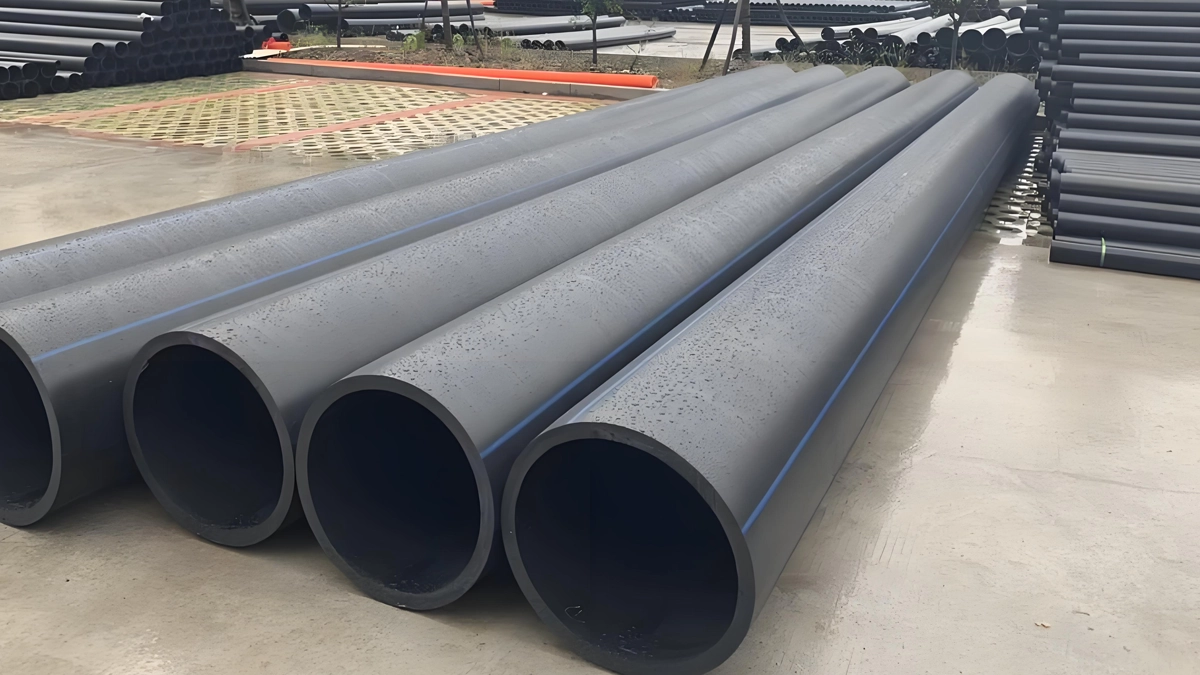
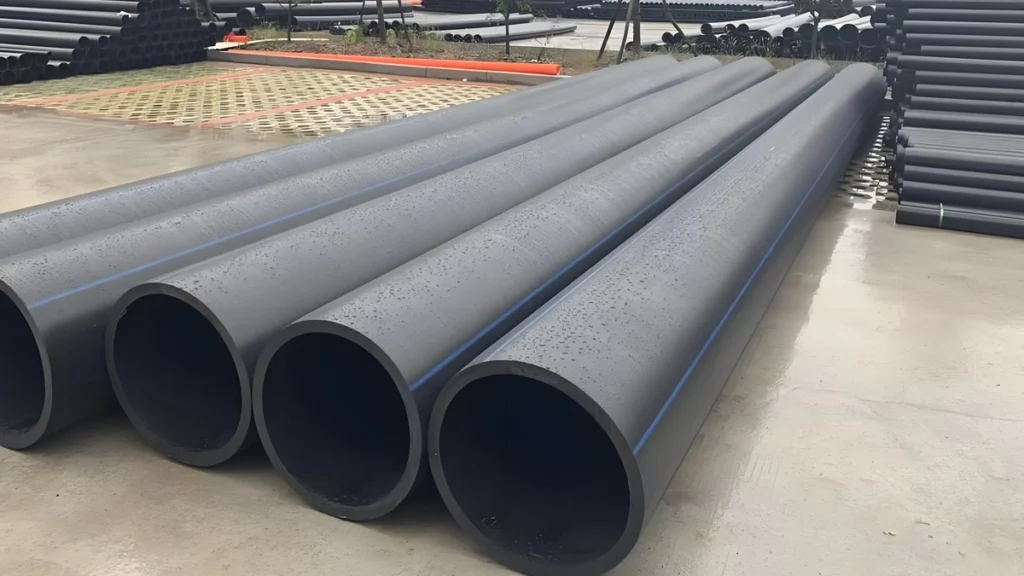
HDPE water pipes have become one of the most widely used materials in modern water supply systems. Thanks to their excellent corrosion resistance, heat resistance, impact strength, and wear resistance, they can meet the requirements of most municipal, industrial, and residential water supply projects. In addition, PE water pipes are cost-effective, lightweight, and easy to install, making them an ideal choice for long-term pipeline systems.
However, the quality of HDPE water pipes directly affects the safety, reliability, and lifespan of water infrastructure. Choosing high-quality HDPE pipes is essential for ensuring stable water transportation and reducing maintenance costs. This guide explains the key factors you should check when evaluating PE water pipe quality.
HDPE (High-Density Polyethylene) water pipe is a thermoplastic pipe manufactured from polyethylene resin through advanced extrusion technology. It is one of the most widely used plastic piping materials worldwide and ranks second only to PVC-U pipes in global consumption.
Compared with traditional metal pipes, PE100 pipes significantly reduce installation costs, improve water flow efficiency, and provide longer service life. As petrochemical technology and manufacturing processes continue to advance, HDPE pipe products have become increasingly diverse and reliable for modern infrastructure applications. Today, HDPE water pipes are widely used in municipal water supply, agricultural irrigation, industrial fluid transportation, mining, marine engineering, and drainage systems.
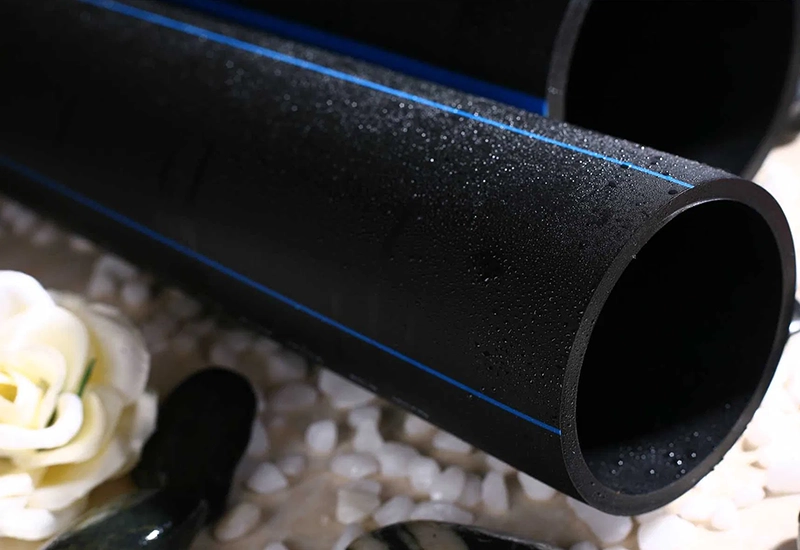
The quality of HDPE water supply pipes is directly linked to the safety and security of water resources; therefore, determining how to assess the quality of these pipes is of paramount importance.
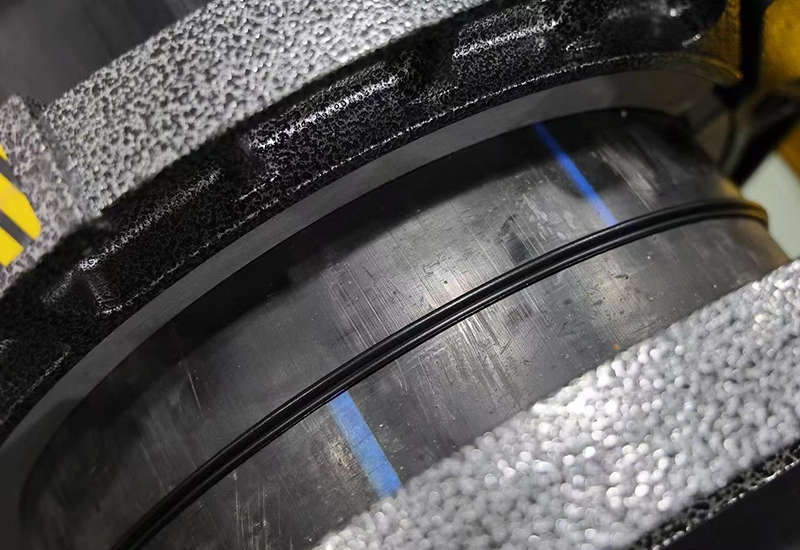
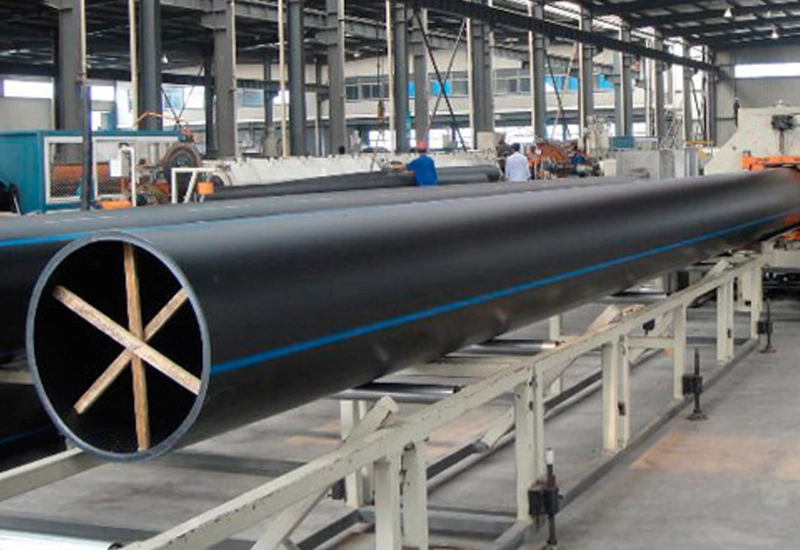
The appearance of a PE water pipe is one of the easiest ways to judge its quality.
If the pipe surface appears rough, uneven, damaged, or distorted, it may indicate poor raw materials or manufacturing defects.
Newly manufactured or heated PE pipes may produce a slight plastic smell, which is normal. However, after cooling, quality PE pipes should have little to no odor. Low-quality PE pipes often emit a strong, irritating, or pungent smell due to the use of recycled materials or inferior additives.
Accurate dimensions are essential for proper installation and reliable performance. When inspecting PE water pipes, check:
Poor dimensional control may lead to leakage, weak joints, and reduced pressure resistance.
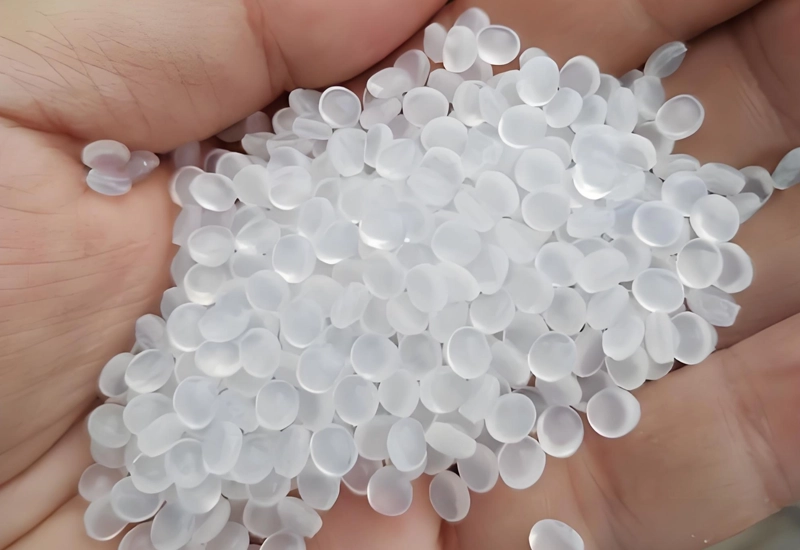
The quality of the raw material directly determines the overall performance of the pipe. High-quality PE pipes should feature:
Clear and complete product markings are also important. Reliable manufacturers usually print the following information on the pipe surface:
HDPE pipes with unclear or missing markings should be avoided.
Flow capacity is another important indicator of pipe performance. Because water supply HDPE pipes have extremely smooth inner walls, they provide:
In many applications, PE water pipes can deliver approximately 30% higher flow efficiency compared to traditional steel pipes of the same diameter. Manufacturers may also conduct pressure tests, leakage tests, and mechanical performance tests to verify stable flow performance under different operating conditions.
Important performance indicators include:
Welding quality is extremely important for PE pipeline systems.
During construction, high-quality PE pipes should produce:
Good welding joints should have:
Low-quality PE pipes often produce brittle shavings, rough weld beads, air holes, and uneven joint surfaces.
Selecting high-quality HDPE water pipes is essential for ensuring the safety, durability, and efficiency of any water supply system. From surface inspection and material evaluation to professional performance testing and welding quality, every detail plays an important role in determining long-term pipeline reliability.
As infrastructure standards continue to rise worldwide, HDPE pipe for water supply have become the preferred solution for municipal, industrial, agricultural, and construction projects due to their durability, flexibility, corrosion resistance, and cost efficiency.
When purchasing PE water pipes, always choose trusted manufacturers that provide certified materials, clear product markings, and proven quality control systems. Investing in high-quality PE piping today can significantly reduce maintenance costs and operational risks in the future. For reliable performance and long-term durability, JQ HDPE Pipe provides high-quality HDPE water pipe solutions manufactured to international standards, supporting municipal, industrial, agricultural, and infrastructure projects worldwide.
If you are ready to discuss your project requirements or learn more about our custom hdpe piping solutions, we invite you to contact with JQ team of experts.
Fill out the form and our team will contact you shortly.