Address
Zhengzhou, Henan, China
Work Hours
Monday to Friday: 7AM - 7PM
Weekend: 10AM - 5PM
Address
Zhengzhou, Henan, China
Work Hours
Monday to Friday: 7AM - 7PM
Weekend: 10AM - 5PM

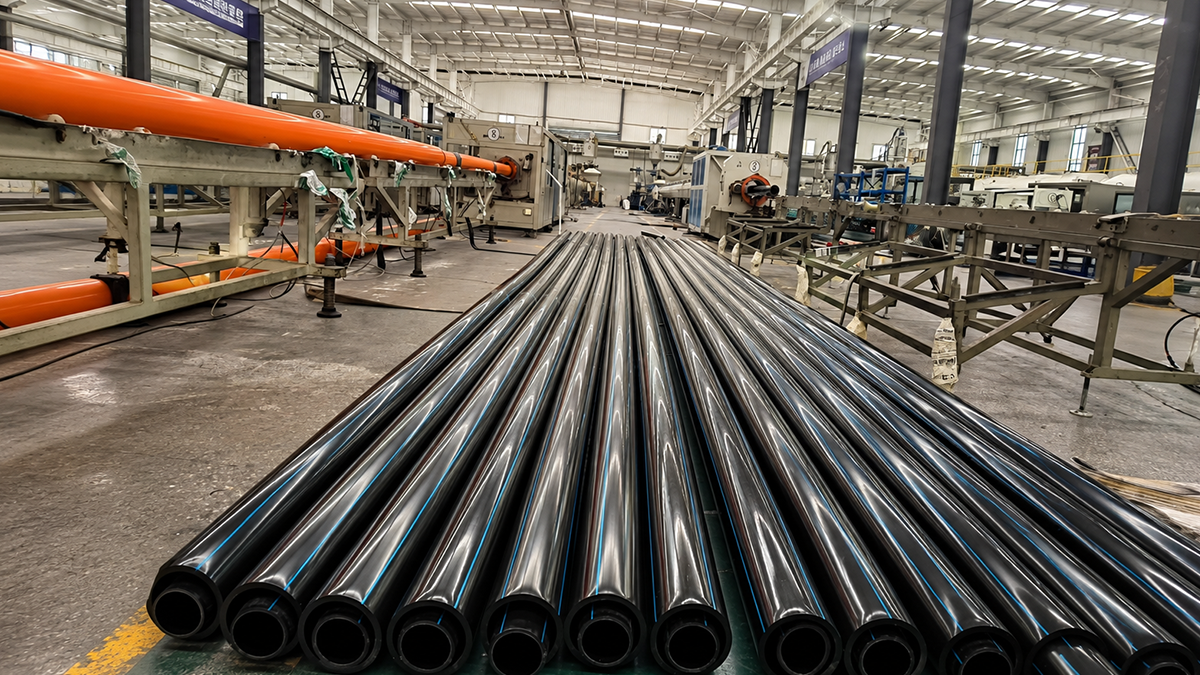
HDPE Pipes and Fittings for Bangladesh explains pipe types, pressure ratings, fittings, installation, pricing factors, and supplier checks so buyers can choose reliable water supply and irrigation solutions with confidence.
High-Density Polyethylene (HDPE) stands out as a thermoplastic polymer built for extreme flexibility, impressive strength-to-density ratios, and leak-proof heat fusion joints. When tackling infrastructure projects, engineers rely on these systems—a combination of extruded pipes and fabricated fittings—to build seamless, monolithic HDPE pipelines.
Today’s HDPE systems generally fall into two material grades: PE100 and PE80. PE100 (High-Density) carries a Minimum Required Strength (MRS) of 10.0 MPa alongside a maximum pressure rating of 1.6 MPa. You’ll typically see this specified as the gold standard for municipal water networks. On the other hand, PE80 (Medium-Density) delivers an MRS of 8.0 MPa and handles up to 1.25 MPa, making it a frequent choice for lower-pressure agricultural irrigation setups.
One major engineering perk of PE100? It handles 25% more pressure than PE80 at the exact same wall thickness. This gives you a larger internal bore and boosts flow capacity without expanding the outer diameter. Plus, HDPE brings a massive logistical advantage. A 200mm (8-inch) PE100 SDR 17 pipe weighs just about 11 kg/m. Compare that to an equivalent SCH 40 steel pipe at 42 kg/m, and you’re looking at a material that is roughly one-eighth the weight.
Bangladesh presents some tough environmental hurdles for infrastructure development. High soil moisture, seasonal waterlogging, and rapid urban expansion demand climate-resilient piping that won’t simply rot away in saturated ground.
That’s exactly where HDPE shines. It boasts 100% resistance to rust and biological fouling in wet soils, completely bypassing the corrosion headaches associated with steel or ductile iron. Thanks to its viscoelastic nature, the pipeline actually bends and flexes alongside soil settlement and minor seismic tremors. Instead of snapping, it maintains structural integrity through heavy monsoon seasons and drastic groundwater shifts.
Municipal water grids also face constant pressure surges. Fortunately, HDPE resists water hammer and fatigue cracking 2,500 times better than standard PVC. It easily manages flow velocities up to 14 feet per second, leaving rigid PVC—which caps out around 5.5 feet per second—in the dust. Ultimately, this rugged durability slashes the risk of pipeline bursts and cuts down on non-revenue water losses across urban networks.
Nailing down the right dimensions and pressure ratings dictates how well your system performs. JINQUAN produces a massive size range starting at DN16 all the way up to a massive DN3000 (Outer Diameter). This covers everything from delicate micro-irrigation lines to heavy-duty municipal trunk mains.
Pressure capabilities rely on the Standard Dimension Ratio (SDR)—simply the ratio of the pipe’s outer diameter compared to its wall thickness. Standard classifications include SDR 7.4, 9, 11, 13.6, 17, 21, and 26. Remember: a lower SDR means a thicker wall, which translates to a higher pressure rating.
Parameter Table: HDPE Specifications & Applications
| Diameter (DN) | Pressure Class | SDR | Joint Type | Typical Application | Buyer Note |
|---|---|---|---|---|---|
| 20mm – 63mm | PN6 / PN8 | SDR 21 / 26 | Compression / Socket | Drip Irrigation, Farm lines | Highly flexible, easy manual install |
| 75mm – 160mm | PN10 | SDR 17 | Butt Fusion | Secondary Municipal Water | Standard for distribution networks |
| 200mm – 800mm | PN16 | SDR 11 | Butt / Electrofusion | Trunk Mains, Vertical Risers | Requires heavy-duty fusion machines |
Comparison Table: Pressure Ratings (PN6 vs PN10 vs PN16)
| Rating | Nominal Pressure | Approx. PSI | Best For | Not Ideal For |
|---|---|---|---|---|
| PN6 | 6 bar | 87 psi | Gravity flow, agriculture, drainage | High-pressure municipal mains |
| PN10 | 10 bar | 145 psi | Standard water supply, light commercial | Extreme pressure surges |
| PN16 | 16 bar | 232 psi | High-volume trunk mains, industrial | Low-budget rural irrigation |
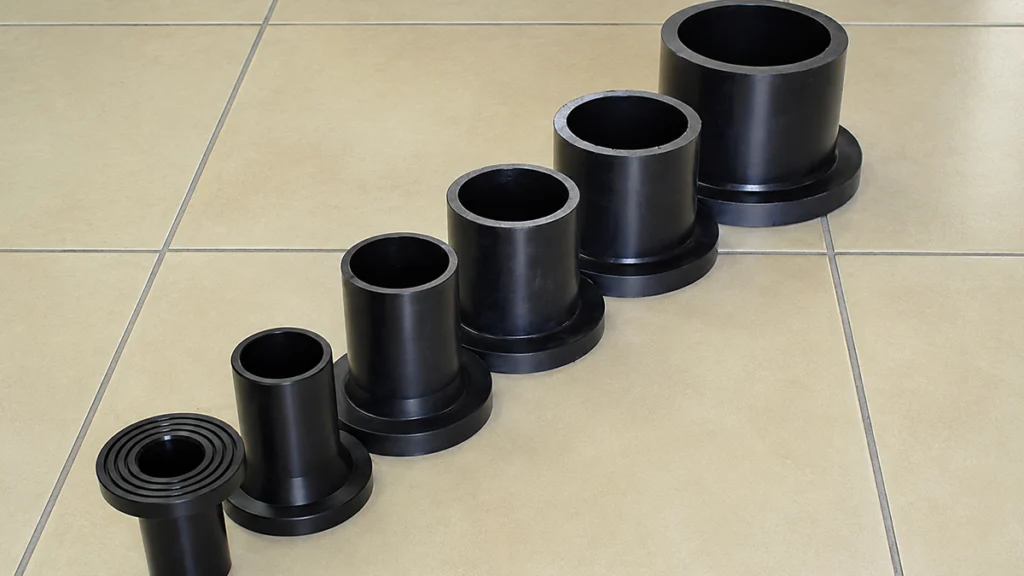
An HDPE pipeline is only as reliable as its weakest joint. JINQUAN supplies a comprehensive lineup of fittings to tackle this, covering butt fusion, electrofusion, socket fusion, fabricated fittings, and PP compression options.
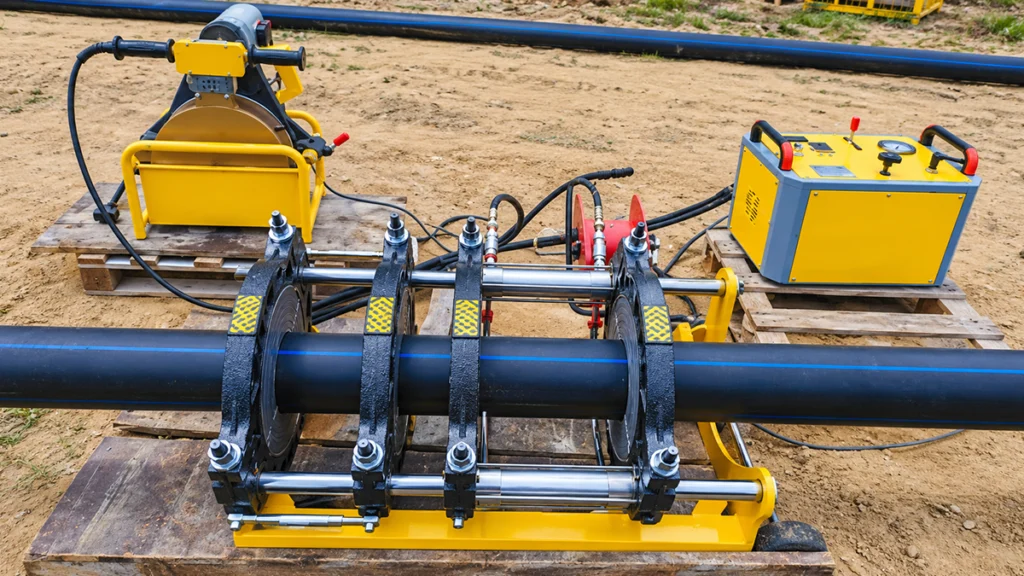
Butt Fusion: Engineers default to this method for medium and large diameters. The process involves heating the pipe ends to a precise temperature and pressing them together under controlled hydraulic pressure. The finished joint actually ends up stronger than the pipe itself, resulting in a truly seamless, leak-free system.
Electrofusion: This technique relies on specialized HDPE pipe fittings containing built-in electrical heating coils. When an electrofusion machine energizes them, the coils melt the plastic and fuse the fitting directly to the pipe. It works perfectly in cramped urban trenches where dropping in a bulky butt fusion machine just isn’t physically possible.
PP Compression: These mechanical fittings dominate smaller diameter projects (up to 110mm), especially in agricultural irrigation. Because they don’t require electricity or specialized heating gear, they are a lifesaver for remote rural installations.
Municipal Water Case Example:
Look at the Dhaka HDPE pipe for Water Supply in Bangkadesh Network Improvement Project (DWSNIP) managed by DWASA for a prime example of HDPE in action. By bringing in large-diameter HDPE pipes through international tenders, the project is actively replacing old, leak-prone infrastructure. Those monolithic fusion joints practically eliminate non-revenue water leaks. This plays a massive role in supporting the city’s critical transition away from dwindling groundwater reserves toward treated surface water distribution.
Irrigation Case Example:
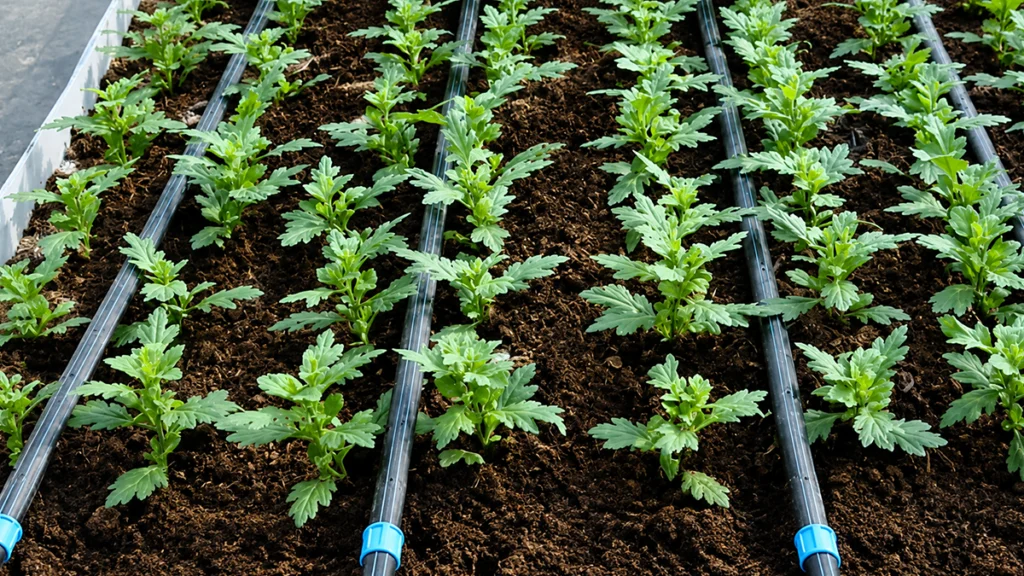
Head out to the rural agricultural zones of Bangladesh, and you’ll find HDPE doing the heavy lifting for drip irrigation and slurry transport. The material’s inherent flexibility lets farmers roll out continuous pipe coils across uneven terrain without digging deep trenches or relying on directional HDPE pipe fittings in Bangladesh. Because the joints are entirely leak-proof, precious dry-season water resources stay conserved and reach the crops exactly as intended.
Picking the right materials means striking a balance between demanding project specs and strict budget limits.
PE100 vs PE80: Always specify PE100 for high-pressure municipal water lines. Because the material is inherently stronger, it meets high pressure ratings with a thinner wall. That saves you money on raw materials while maximizing the internal flow capacity. On the flip side, specify PE80 for low-pressure agricultural networks where extreme flexibility and tight bending radii matter more than raw burst strength.
HDPE vs PVC: Go with HDPE whenever a system faces dynamic pressure changes, shifting soils, or curved trench alignments. Reserve rigid PVC strictly for static, low-pressure, above-ground jobs where flexibility and impact resistance aren’t on the radar.
If you want to hit that 50-to-100-year design life, proper installation is non-negotiable.
Step-by-Step Installation Workflow:
1. Trench Preparation: Dig out the trench and clear away any sharp rocks or roots. Keep in mind that HDPE needs a narrower trench than PVC, which cuts down on soil disruption and excavation expenses.
2. Facing/Planing: Run a mechanical planer over the pipe ends. They need to be perfectly flat, clean, and parallel before you even think about welding.
3. Heating & Fusion: Apply the heater plate at the exact temperature specified by the manufacturer so the pipe ends melt evenly.
4. Alignment & Pressure: Pull the heater plate away and press the molten ends together using precise hydraulic pressure. *Crucial: Never move or stress the joint while it cools down.*
5. Backfill: Pack proper granular bedding material around the pipe to prevent point-loading and unnecessary structural strain.
6. Pressure Testing: Stick to ISO 1167 or ISO 4427 testing protocols. Establish the Hydrostatic Design Basis (HDB) and run a hydrostatic test at 1.5 times the system’s operating pressure to guarantee joint integrity.
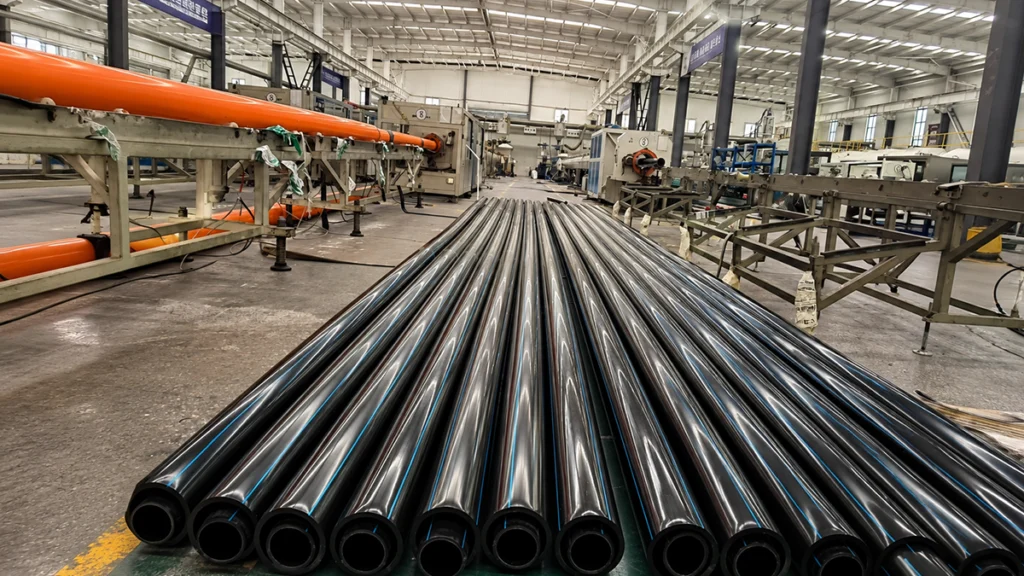
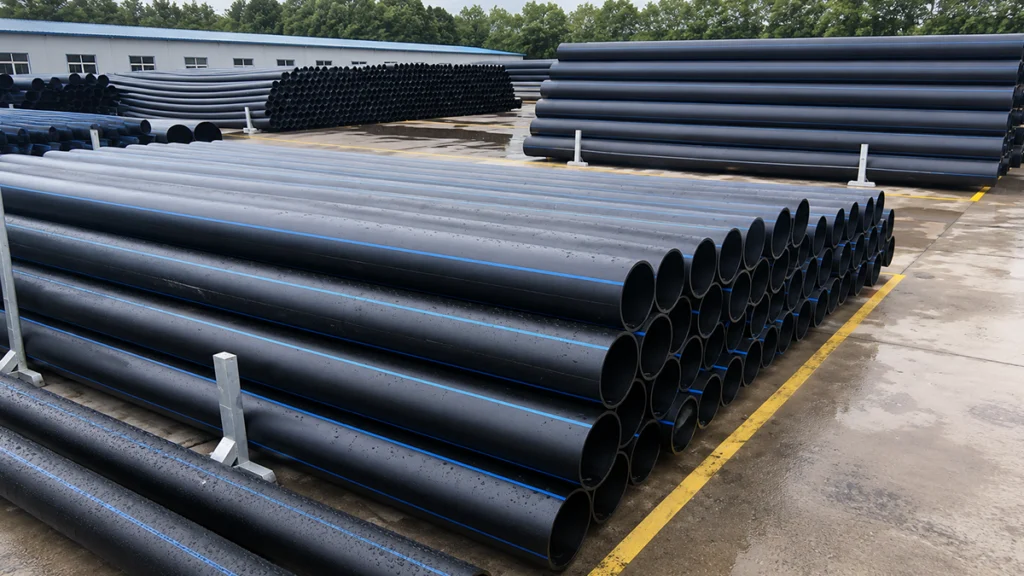
Procurement economics for projects in Bangladesh hinge entirely on a manufacturer’s capacity and logistical efficiency. JINQUAN runs a massive 200-acre facility pushing out over 100,000 tons annually, guaranteeing stable, factory-direct pricing. Standard lead times hover between 7 and 15 days. Everything gets packed with professional export configurations designed specifically for 20ft and 40ft shipping containers heading straight to Chattogram port.
Cost Breakdown Factors:
Even top-tier materials will fail if crews mishandle them during procurement or installation.
Fusion Failures: The number one cause of system failure is a botched joint. Leaving dirt or moisture on the pipe ends, messing up the alignment, or dialing in the wrong heating temperatures will create weak bonds that blow apart during pressure testing.
Surface Damage: Pipes inevitably take a beating during transport and trenching. However, any scratch or gouge deeper than 10% of the wall thickness becomes a stress concentrator, potentially triggering Slow Crack Growth (SCG). If a pipe section has gouges exceeding that 10% threshold, reject it and cut it out immediately.
Thermal Expansion: HDPE expands and contracts with temperature swings far more than metal does. If you ignore this thermal movement during backfilling or above-ground installations, you’ll put massive, dangerous stress on the joints and flanges.
Run through this checklist to lock down your technical specs before signing off on a procurement order:
For standard municipal networks in Bangladesh, PN10 (10 bar / 145 psi) hits the sweet spot. It delivers plenty of strength for daily distribution without forcing you to overspend on material costs. High-volume trunk mains and vertical risers usually step up to PN16 (16 bar) to tackle dynamic pressure spikes. Meanwhile, simple gravity-fed rural lines can easily get away with PN6 or PN8 to keep budgets lean.
Absolutely. HDPE pipes excel in agricultural irrigation and drip setups across Bangladesh. By using PE80 grade materials rated at PN6 or PN8, you get incredible flexibility. The pipeline easily follows rolling land contours without requiring deep trenches. You can buy smaller diameters (20mm to 63mm) in massive coils, which cuts down on the number of joints and lets you use basic PP compression fittings for fast, electricity-free assembly.
Building a complete HDPE pipeline requires specific fittings dictated by your diameter and use case. Standard setups need butt fusion stubs and flanges to tie into valves or pumps, elbows to navigate directional changes, and tees to branch off lines. If you’re building a small irrigation network, PP compression fittings offer quick mechanical connections. For tight urban trenches, crews heavily rely on electrofusion couplers to securely join pipes where space is limited.
Butt fusion relies on a heated plate to melt the pipe ends before driving them together under hydraulic pressure. This creates a seamless, incredibly strong joint, but the equipment takes up serious space. Electrofusion takes a different approach by using fittings with embedded electrical coils. When energized, they melt the plastic to form the bond. While these fittings cost more per unit, they are absolute lifesavers in narrow trenches where bulky butt fusion machines simply won’t fit.
Resin weight dictates the baseline price of HDPE pipe in Bangladesh, and that weight depends entirely on the pipe’s diameter and SDR (wall thickness). Bigger diameters and lower SDRs burn through more raw material, driving up the cost. Other cost factors include your choice of fittings (electrofusion costs more than butt fusion), ocean freight efficiency (coils pack differently than straight sticks), and whether your supplier has the manufacturing scale to handle direct exports.
When engineers specify and install these pipelines according to ISO 4427 standards, they easily achieve a design life of 50 to 100 years. Their durability comes down to a total resistance against rust, corrosion, and biological fouling. Plus, their viscoelastic nature means they absorb ground movement, seismic shifts, and violent water hammer shocks that would easily shatter rigid alternatives like PVC or ductile iron.
Before pulling the trigger on a bulk order, scrutinize the supplier’s manufacturing capacity, export track record, and compliance with ISO 4427 and ISO 9001. Double-check the precise Outer Diameter (DN) and SDR/PN rating required for your operating pressure. Finally, demand clear logistics data—including minimum order quantities, firm 7-15 day lead times, and exact packaging plans for loading 20ft or 40ft containers bound for Chattogram port.
For high-pressure municipal water projects in Bangladesh, PE100 is the clear winner. It features a higher Minimum Required Strength (10.0 MPa), allowing it to handle 25% more pressure than PE80 at the exact same wall thickness. This boosts your internal flow capacity while trimming material costs. That said, PE80 is still a fantastic, budget-friendly option for low-pressure rural irrigation where you need maximum flexibility.
A successful HDPE piping project in Bangladesh depends on matching pipe material, pressure class, SDR, fittings, and joining methods to the actual project requirements. Choosing the right combination of PE100 or PE80 materials, suitable PN ratings, and reliable fusion methods can help improve system durability, joint integrity, and long-term performance.
For water supply and irrigation projects, buyers should also evaluate supplier production capability, quality control, technical support, lead time, and export experience. Working with an experienced HDPE pipe and fittings supplier can make specification confirmation, customized quotations, and project delivery more efficient.
For municipal water networks, agricultural irrigation, and other infrastructure projects in Bangladesh, careful technical planning and supplier evaluation remain key to controlling cost and ensuring reliable installation.