Address
Zhengzhou, Henan, China
Work Hours
Monday to Friday: 7AM - 7PM
Weekend: 10AM - 5PM
Address
Zhengzhou, Henan, China
Work Hours
Monday to Friday: 7AM - 7PM
Weekend: 10AM - 5PM

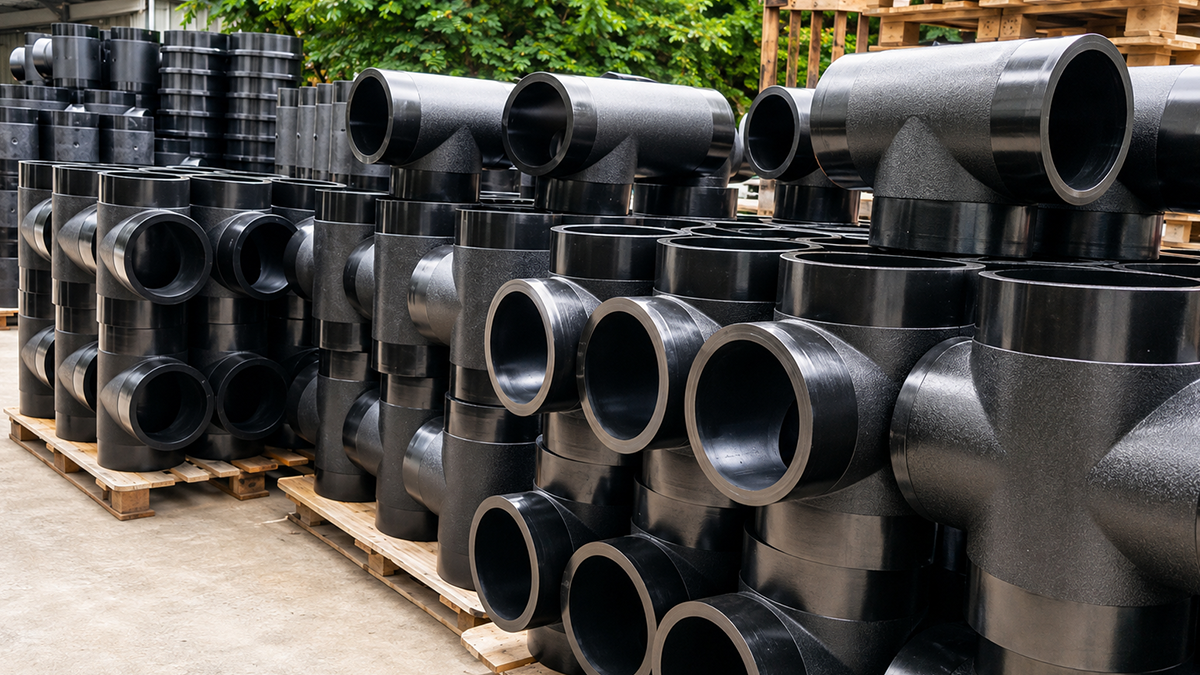
HDPE pipe fittings price varies widely based on type, size, resin grade, standards, and sourcing region. This guide breaks down cost drivers, price benchmarks, supplier evaluation criteria, and RFQ tips so B2B buyers can source at the right price without compromising quality.
Looking ahead to 2026, you can expect to pay anywhere from $2.50 to $5.00 per kilogram for wholesale HDPE pipe fittings. The exact figure hinges on the complexity of the part, its standard dimension ratio (SDR), and how it is manufactured. If you break it down by piece, the pricing spectrum is massive. A tiny 20mm fitting might set you back just $0.30, whereas massive 500mm industrial components easily top $800. Want the best rates? Buy in full container loads straight from high-capacity manufacturers to secure pricing at the absolute lowest end of this scale.
To provide an accurate baseline, the following table details the estimated FOB China prices for standard PE100, SDR11 (PN16) fittings across common dimensions.
| Size (OD) | Butt Fusion Elbow (90°) | Butt Fusion Equal Tee | Butt Fusion Reducer | Stub Flange |
|---|---|---|---|---|
| 20mm | $0.30 – $0.60 | $0.35 – $0.65 | $0.25 – $0.50 | $0.40 – $0.80 |
| 50mm | $1.20 – $3.00 | $1.50 – $3.50 | $1.00 – $2.50 | $1.50 – $4.00 |
| 110mm | $8.00 – $20.00 | $10.00 – $25.00 | $6.00 – $18.00 | $12.00 – $30.00 |
| 200mm | $40.00 – $120.00 | $50.00 – $140.00 | $35.00 – $100.00 | $60.00 – $150.00 |
| 315mm | $150.00 – $450.00 | $180.00 – $500.00 | $120.00 – $350.00 | $200.00 – $550.00 |
| 500mm | $300.00 – $800.00 | $350.00 – $900.00 | $250.00 – $700.00 | $400.00 – $950.00 |
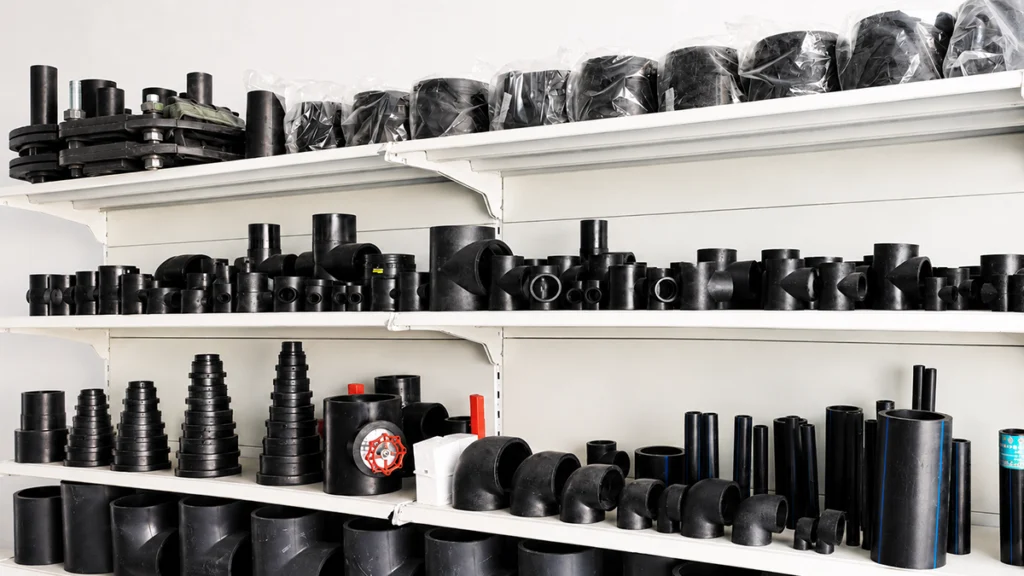
How a fitting is made—and how it connects to your pipeline network—plays a massive role in its final cost. Nailing down the right type is the only way to balance your project budget without sacrificing structural integrity.
| Fitting Type | Typical Connection Method | Price Band | Typical Application |
|---|---|---|---|
| Butt Fusion Fittings | Heat fusion (welding machine) | Low | Large diameter water/gas mains, long straight runs |
| Electrofusion Fittings | Electrical resistance heating | High (2-5x Butt Fusion) | Confined spaces, repairs, gas distribution |
| Compression Fittings (PP) | Mechanical threaded compression | Medium | Small diameter (≤110mm) irrigation, plumbing |
| Fabricated Fittings | Segmented welding | Medium-High | Custom angles, very large diameters (>500mm) |
| Socket Fusion Fittings | Heat fusion (socket) | Low-Medium | Small diameter indoor plumbing, industrial |
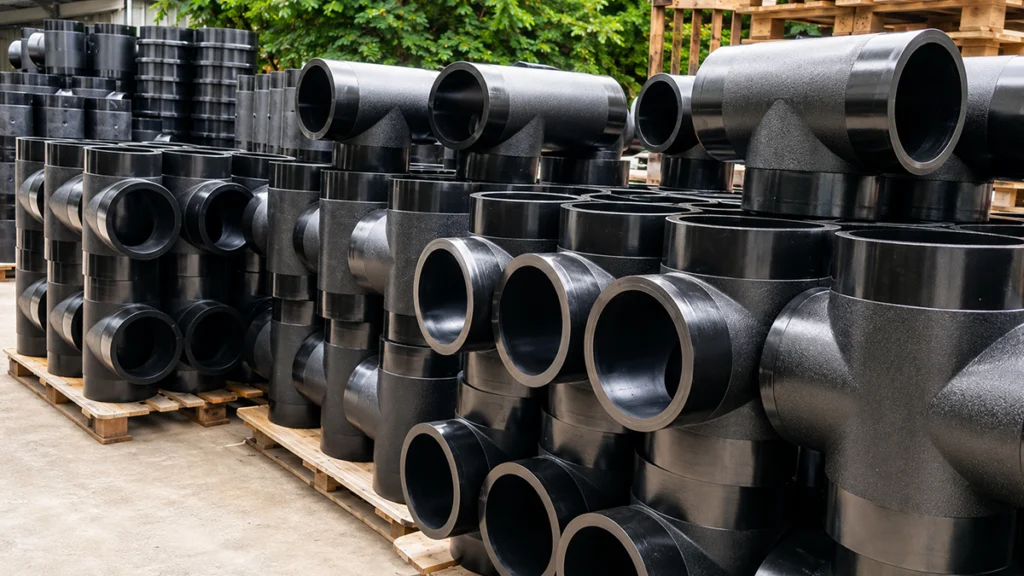
Butt Fusion Fittings: Molded as solid plastic pieces, you join these using a specialized butt fusion welding machine. For long, uninterrupted infrastructure runs, this is hands-down your most economical choice.
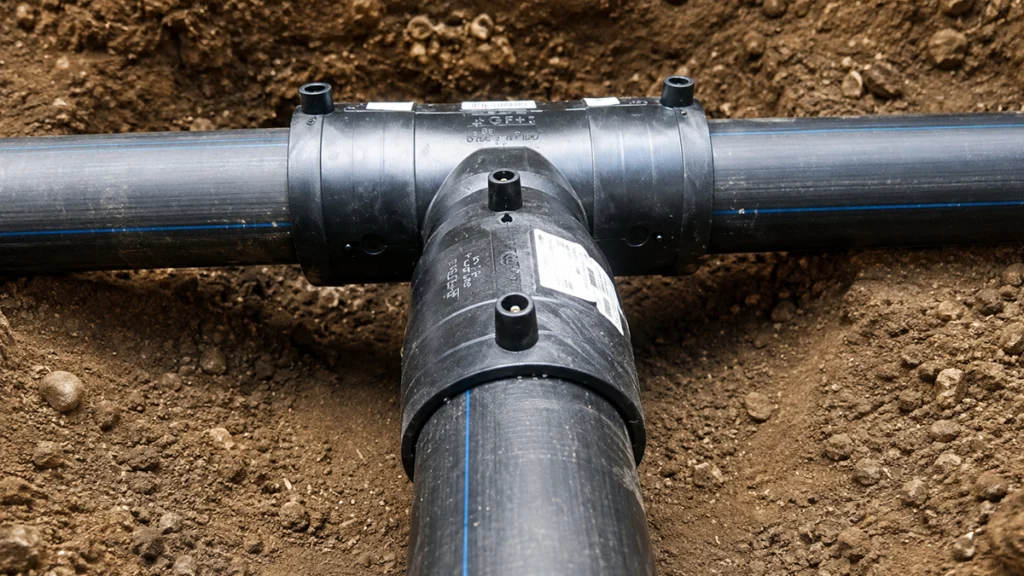
Electrofusion Fittings: These feature embedded copper resistance wires that fuse directly to the pipe when zapped with an electric current. Because of the complex injection molding involved, expect to pay two to five times more for these compared to standard butt fusion parts.
PP Compression Fittings: Typically made from polypropylene (PP), these rely on mechanical threaded compression. No heat welding is required. They hit a sweet spot of medium pricing and are incredibly popular for quick agricultural irrigation setups or smaller plumbing jobs.
HDPE Fabricated Fittings: Manufacturers create these by cutting and welding segments of extruded pipe. If you need a custom angle or are dealing with massive diameters exceeding 500mm, this is your go-to. The intense manual labor and segmented welding process place these firmly in the medium-high price bracket.
Socket Fusion Fittings: Designed to cater to smaller diameters, you join these by heating the outside of the pipe and the inside of the fitting. They deliver a highly reliable, low-to-medium cost fix for indoor industrial plumbing.
A handful of technical specs dictate what you will actually pay on a wholesale level. When procurement managers understand these variables, forecasting costs based on engineering requirements becomes much easier.
| Material Grade | Density (g/cm³) | Minimum Required Strength (MRS) | Relative Price Index |
|---|---|---|---|
| PE80 | 0.93 – 0.94 | 8.0 MPa | 1.0x (Baseline) |
| PE100 | 0.95 – 0.96 | 10.0 MPa | 1.10x – 1.15x |
| PE100-RC | 0.95 – 0.96 | 10.0 MPa (High SCG resistance) | 1.20x – 1.30x |
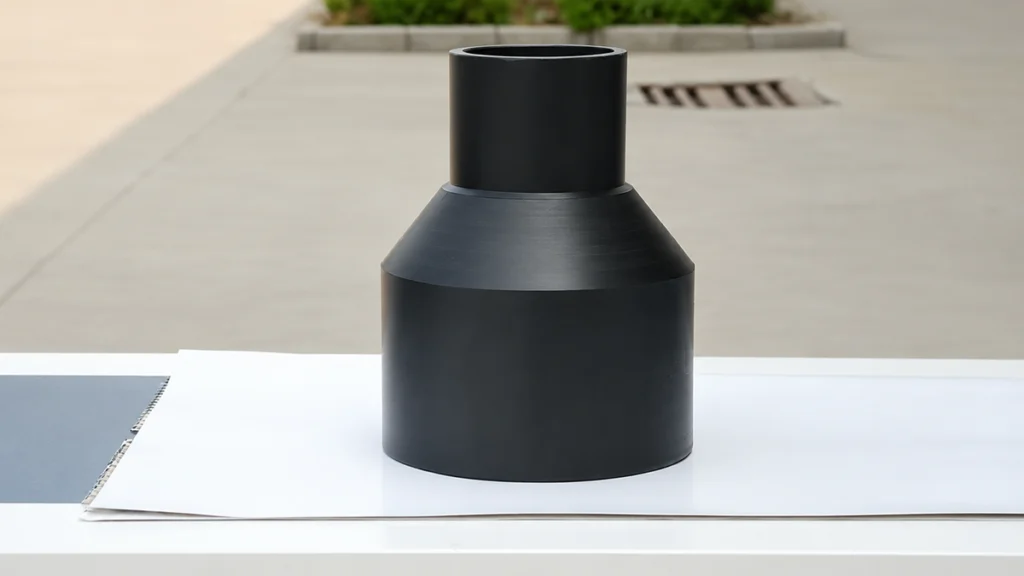
Raw materials eat up roughly 40% to 70% of a fitting’s final cost. Because of this, macroeconomic shifts in the petrochemical world heavily sway the quotes you get from manufacturers. The global HDPE resin market—currently valued between $59 billion and $84 billion—keeps growing thanks to massive worldwide infrastructure investments.
As we move through early 2026, global polyethylene prices have leveled out around $1,100 to $1,300 per metric ton. Any hiccups in crude oil or ethylene feedstocks instantly bump those baseline raw material costs. Add in the relentless demand for water and wastewater upgrades across the Asia-Pacific region, and you have highly utilized production facilities. This keeps export pricing relatively stable, though it remains tightly tethered to global resin indices.
Where you source your materials makes or breaks your margins. Buying straight from heavy-hitting manufacturing hubs gives distributors a massive edge over relying on local stockists—assuming you can accommodate standard shipping lead times.
| Parameter | China (e.g., JINQUAN) | Europe | Local Suppliers (USA/Regional) |
|---|---|---|---|
| Price Index | 1.0x (Baseline) | 2.0x – 3.0x | 1.5x – 2.5x |
| Lead Time | 7-15 days (production) + transit | 1-2 weeks (local) | 1-3 days (stock) |
| MOQ | 1x20ft container ($10k+) | Low / Medium | None (Single piece) |
| Certifications | ISO 4427, CE, SGS, ISO 9001 | EN 12201, DVGW | ASTM D3261, NSF |
| Typical Use Cases | Large infrastructure, wholesale | Premium projects, strict local specs | Urgent repairs, small projects |
Landed Cost Breakdown Example:
You cannot just look at the FOB price; evaluating true value requires calculating the total landed cost. Let’s run the numbers on a standard 1x20ft container order:
Even after piling on freight, duties, and logistics fees, importing a full container directly from a factory usually shakes out 20% to 40% cheaper than buying that same volume through local wholesale channels.
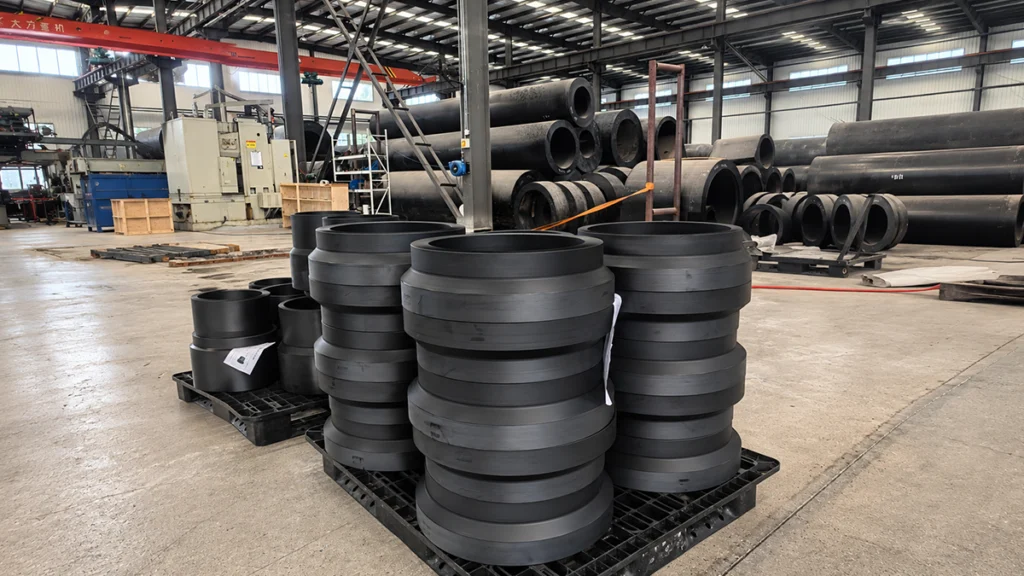
Commercial terms do more than just dictate cash flow. They actively shape your final price per kilogram. Manufacturers want volume, and they structure their bulk discounts accordingly.
Standard 20ft Container Order Timeline Scenario:
Your engineering environment dictates your fitting configuration, which in turn rewrites your material budget.
Municipal Water Supply:
Standard potable water networks lean heavily on PE100 butt fusion fittings built to ISO 4427 standards. This acts as your baseline cost, offering a highly economical route for long, straight municipal runs where trenches are easy to access.
Gas Distribution:
Natural gas pipelines play by stricter rules. They require PE100 fittings with yellow striping and rely almost exclusively on electrofusion connections to guarantee safety and zero leaks (EN 12007-2). Because you are forced to use pricey electrofusion components, expect costs to jump 30% to 50% higher than standard water jobs.
Mining and Slurry Transport:
Mining environments are notoriously abrasive. You need PE100-RC or ultra-thick wall (SDR9) fittings just to survive the internal wear and tear. These networks frequently use flange connections so crews can swap out segments quickly. Between the heavier wall thickness and the addition of steel backing rings, costs usually climb by 20% to 40%.
Picking a manufacturing partner in China means looking way past the initial quote. Settle for poor quality resin or inconsistent manufacturing, and you are inviting catastrophic pipeline failures.
Supplier Evaluation Checklist:
1. Certifications: Look for active ISO 9001 (Quality Management) and ISO 14001 (Environmental Management) compliance.
2. Factory Capacity: Verify their scale. A 200-acre facility churning out over 100,000 tons annually is a solid benchmark.
3. Raw Material Sourcing: Demand strict use of 100% virgin PE100 resin, with zero reliance on recycled plastic scrap.
4. In-house QC Testing: They need dedicated labs capable of testing Oxidation Induction Time (OIT), hydrostatic strength, and Melt Flow Rate.
5. Product Traceability: Electrofusion fittings should feature permanent barcodes for scanning parameters.
6. Comprehensive Range: Ensure they can supply the full spectrum of diameters from DN16 up to DN3000.
7. Export Experience: Look for a proven track record in robust packaging and smooth international logistics.
8. Technical Support: They must be capable of providing exact welding parameters and machine compatibility data.
Supplier Red Flags:
Procurement missteps constantly inflate project budgets. Sidestep these common specification errors, and you will keep your costs aligned with actual engineering reality.
1. Over-specifying PN Rating:
2. Mismatching SDR between Pipe and Fitting:
3. Defaulting to Electrofusion for Everything:
4. Buying Retail/Local for Large Projects:
5. Ignoring Landed Costs:
Want a precise, actionable quote from a manufacturer? Your procurement team needs to submit a highly structured Request for Quotation (RFQ). Vague requests just trigger inaccurate pricing and endless negotiation cycles.
Copy-Paste RFQ Checklist:
Expect wholesale prices to land between $2.50 and $5.00 per kilogram in 2026. The exact number swings based on how the part is made, its standard dimension ratio (SDR), and the overall design complexity. Standard butt fusion fittings anchor the lower end of the spectrum. Meanwhile, highly engineered electrofusion parts demand a premium because of their complex injection molding processes and embedded copper wiring.
It comes down to engineering. Electrofusion fittings house embedded copper resistance wires and require incredibly precise injection molding. This internal structure lets them fuse using electrical resistance heating—a lifesaver for cramped trenches and rapid pipeline repairs. Because they are so intricate, they cost two to five times more than standard butt fusion fittings, which are simply molded as solid plastic pieces.
Absolutely. Importing directly from reputable Chinese manufacturers typically saves you 20% to 40% over local wholesale distributors. That holds true even after you factor in ocean freight, import duties, and inland trucking. Local suppliers usually slap on a 1.5x to 2.5x markup to cover warehousing and operational overhead. Just remember, you need to buy in full container loads to maximize those cost savings.
Potable water applications demand rigorous international health and safety standards. At a minimum, look for ISO 4427 certification for plastic piping systems, alongside CE markings and SGS testing validations. Furthermore, the manufacturing facility itself should hold ISO 9001 and ISO 14001 credentials. These documents guarantee the fittings are produced from 100% virgin PE100 resin, completely free of toxic additives or recycled scrap materials.
To unlock standard wholesale pricing and deep discounts, the typical minimum order quantity (MOQ) is one 20-foot shipping container. That roughly translates to $10,000 to $15,000 worth of mixed fittings. Some factories will accept smaller orders under $3,000, but those rarely receive meaningful discounts. For custom fabricated fittings or massive large-diameter components, MOQs might be based on piece count depending on the required retooling or manual welding involved.
First, stop over-specifying. Match your fitting’s standard dimension ratio (SDR) and pressure nominal (PN) rating strictly to your system’s actual operating pressure. Second, use butt fusion fittings for long, accessible runs and save the pricey electrofusion parts strictly for tight spaces. Finally, cut out the middleman. Consolidate your orders into full container loads and buy directly from high-capacity manufacturers to leverage bulk pricing.
PE100 fittings deliver a higher minimum required strength (10.0 MPa) than PE80 (8.0 MPa). This means they can handle higher internal pressures while using thinner walls. Even though PE100 resin generally costs 10% to 15% more than PE80, the ability to use less material often balances out the final price. Today, PE100 is the undisputed industry standard for high-pressure water and gas distribution networks.
Lead times depend entirely on the factory’s capacity and your geographic location. Top-tier manufacturers usually wrap up production and quality control testing within 7 to 15 days. After that, ocean transit adds another 20 to 50 days depending on your destination port. All in, buyers should anticipate a total lead time of 4 to 8 weeks from the moment the deposit is paid to the day the parts arrive on site.
Understanding HDPE pipe fittings pricing requires evaluating material quality, fitting types, pressure ratings, manufacturing standards, and supplier capabilities. The main cost factors include fitting diameter, SDR rating, connection method, raw material quality, and project requirements.
By selecting the correct PN rating and avoiding unnecessary specifications, buyers can achieve better cost control without affecting pipeline reliability. For large-scale projects, working directly with experienced HDPE pipe fittings manufacturers can reduce supply chain costs and improve procurement efficiency.
A successful purchase depends on providing accurate RFQs, verifying supplier certifications, checking production capabilities, and ensuring consistent quality control. Choosing the right manufacturer helps secure reliable HDPE pipe fittings with competitive pricing and long-term performance.