Address
Zhengzhou, Henan, China
Work Hours
Monday to Friday: 7AM - 7PM
Weekend: 10AM - 5PM
Address
Zhengzhou, Henan, China
Work Hours
Monday to Friday: 7AM - 7PM
Weekend: 10AM - 5PM

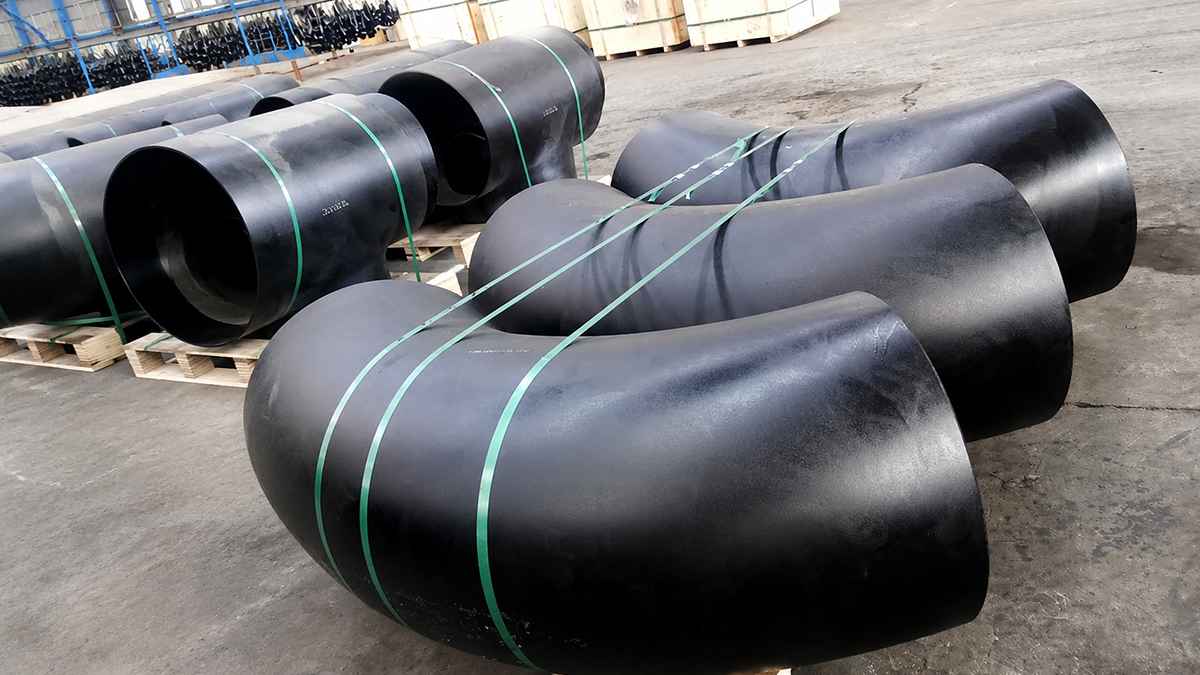
HDPE Pipe Fittings for Greece help buyers compare fitting types, standards, and installation methods for irrigation, marine, and water pipelines, so they can choose durable, compliant solutions with less project risk.
High-Density Polyethylene (HDPE) fittings serve as the engineered joints that connect, branch, and terminate modern piping systems. When tackling infrastructure projects, sourcing the right HDPE Pipe Fittings for Greece becomes incredibly important thanks to the region’s unique geography. Think about it: extensive coastlines, thousands of scattered islands, and rocky, unforgiving agricultural terrain. These environments demand materials capable of surviving saltwater corrosion, intense UV rays, and seismic activity.
Traditional metal fittings rust out. PVC turns brittle under the Mediterranean sun. HDPE fittings, however, deliver a massive 50-to-100-year service life. They handle extreme temperatures ranging from -40°C up to 60°C, and won’t hit their embrittlement point until a freezing -70°C. Add in a Manning coefficient of 0.009—which keeps flow rates optimized and stops scale buildup—and you have a clear winner. With the global market for these components racing toward an $18.8 billion valuation by 2025, Greece’s push to modernize its agriculture and upgrade its water networks depends heavily on this resilient technology.
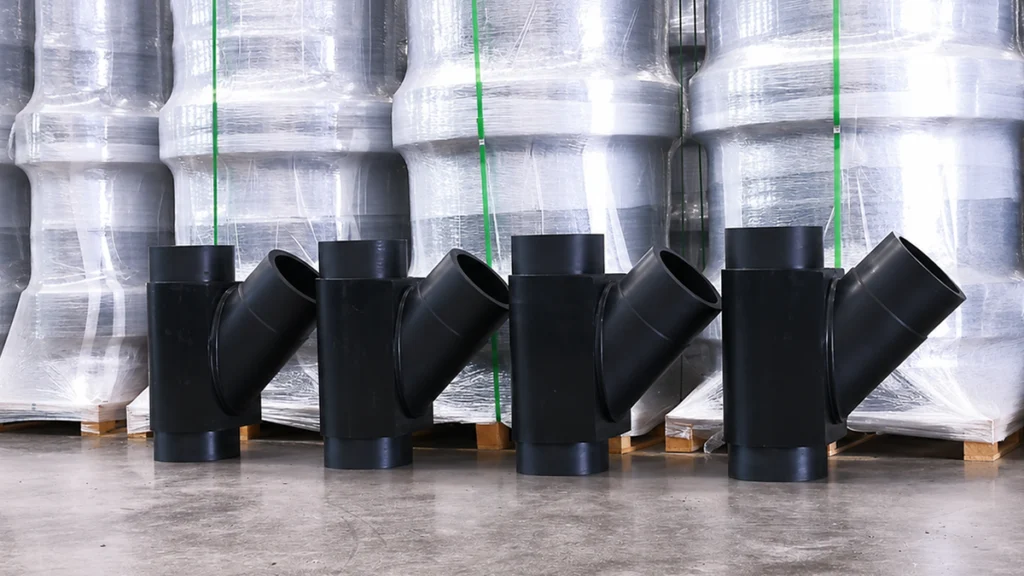
You will find these components acting as the vital junctions in several high-stakes sectors across the Greek market. Because the material flexes rather than breaks, it absorbs dynamic loads effortlessly. This makes it a go-to solution for several distinct applications:
Picking the right fitting comes down to three things: project scale, required pressure, and your actual field conditions. The table below highlights the primary configurations driving B2B infrastructure today.
| Fitting Type | Connection Method | Typical Use | Selection Note |
|---|---|---|---|
| Butt Fusion | Heat plate melting and pressure | Large-diameter pipes (DN90+), long-distance water/marine pipelines | Highly cost-effective; creates a permanent joint matching the pipe’s inherent strength. |
| Electrofusion | Embedded electric heating coils | Confined spaces, emergency repairs, small diameters, gas lines | Higher initial fitting cost, but offers simple operation and high precision in the field. |
| Socket Fusion | Heating pipe exterior and fitting interior | Small diameter MDPE/HDPE lines | Ideal for residential or small-scale commercial distribution. |
| PP Compression | Mechanical tightening (no heat) | Temporary lines, low-pressure agricultural irrigation | Requires no welding equipment; fast installation but lower pressure tolerance. |
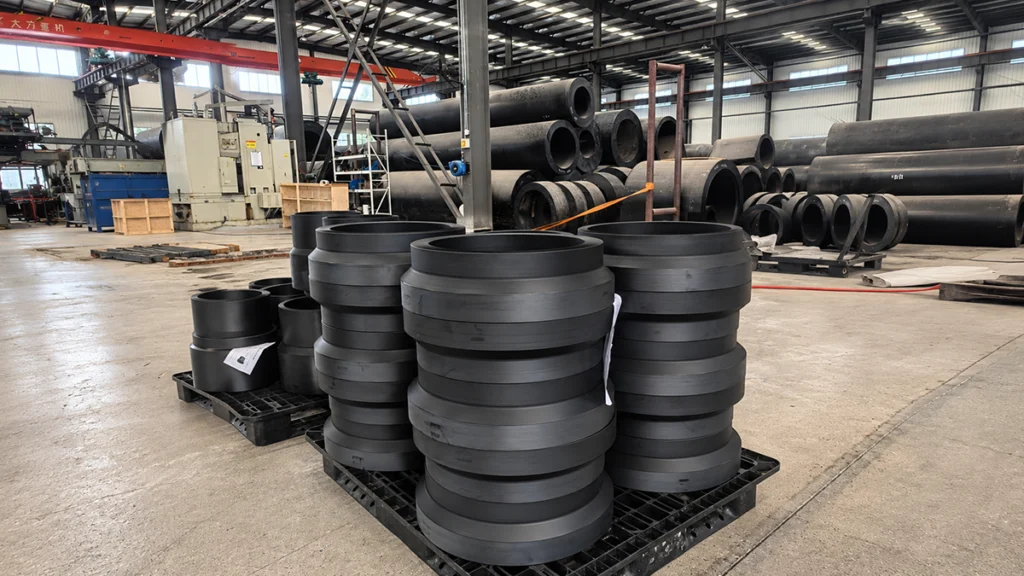
Pipeline integrity isn’t something you leave to chance. Procurement managers need to source components that hit strict international benchmarks. Specifying ISO 4427 HDPE pipe fittings for Greece guarantees both material purity and the safe transport of drinking water.
| Parameter | Specification / Range | Application Fit |
|---|---|---|
| Standards | ISO 4427 (International), EN 12201 (Europe) | Mandates material purity, migration tests for potable water, and permanent marking. |
| PE Grade | PE80, PE100, PE100-RC | PE100 is standard for high-pressure; PE100-RC offers high resistance to slow crack growth in rocky soils. |
| Pressure (PN) | PN4, PN6, PN10, PN16, PN20, PN25 | PN10 (10 bar) and PN16 (16 bar) are standard for municipal water and marine environments. |
| SDR | SDR11 (PN16), SDR17 (PN10) | Lower SDR means thicker walls and higher internal pressure capacity. |
| Diameter Range | DN16 to DN3000 | JINQUAN manufactures up to DN3000 for massive infrastructure and municipal projects. |
Aligning a fitting’s technical specs with your HDPE pipe system is the only way to prevent blowouts and catastrophic failures. Run through this checklist when mapping out your PN and SDR requirements.
1. Operating Pressure: Double-check that the fitting’s PN rating equals or exceeds the pipeline’s maximum allowable operating pressure (PFA).
2. Flow Rate and Velocity: Line up those internal diameters precisely. Mismatches cause hydraulic bottlenecks and unwanted turbulence.
3. Temperature Range: Do your ambient temperatures or operating fluids regularly top 20°C? If so, apply standard derating factors.
4. Installation Environment: Above-ground lines need UV-stabilized black HDPE. For buried lines, check the soil composition to see if upgrading to PE100-RC makes sense.
5. Connection Compatibility: Look at your site constraints. A wide, open trench easily accommodates bulky butt fusion machines. Tight spaces or vertical shafts? You’ll need compact electrofusion gear.
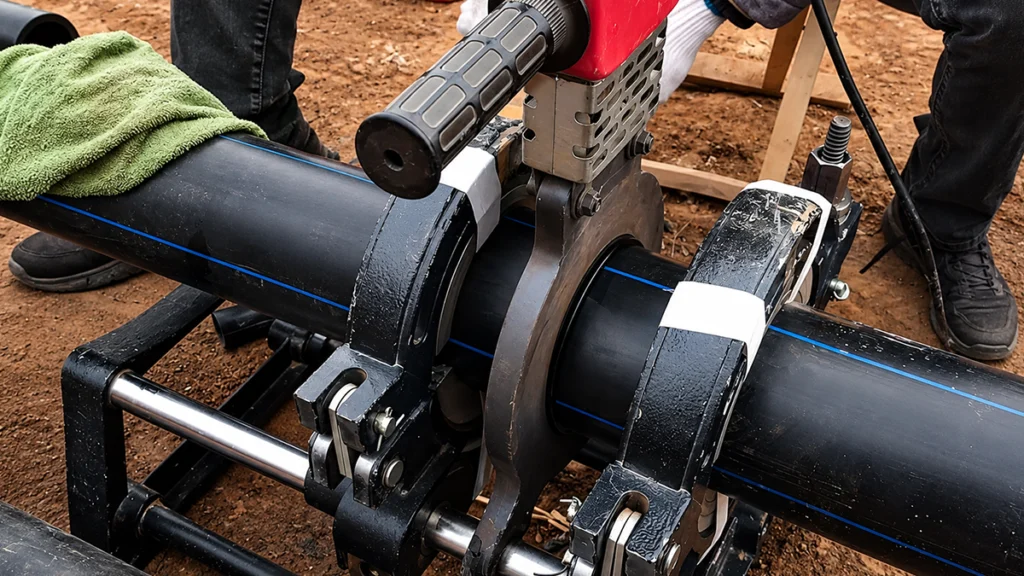
Installation quality ultimately decides how long your HDPE pipeline survives. Heavy infrastructure projects lean on butt fusion for a reason: it creates a monolithic system. The resulting joint is literally as strong as the HDPE pipe itself.
1. Preparation & Alignment: Wipe the HDPE pipe ends clean of any dust, oil, or moisture. Clamp them tight in the fusion machine to stop lateral shifting.
2. Facing: Shave the ends down using a mechanical facer. You need perfectly flat, parallel surfaces to distribute heat evenly.
3. Heating: Bring in the PTFE-coated heater plate to melt the HDPE pipe ends. Stick strictly to the manufacturer’s temperature and timing guidelines based on your wall thickness.
4. Fusion: Pull the heater plate out fast. Press the molten ends together under a specific, calculated pressure.
5. Inspection: Keep that pressure locked in until the joint cools completely. Check the double-roll bead to ensure it looks uniform with a proper rollback.
6. Pressure Test & Commissioning: Never bury or submerge the system without running a hydrostatic test on the completed segment first.
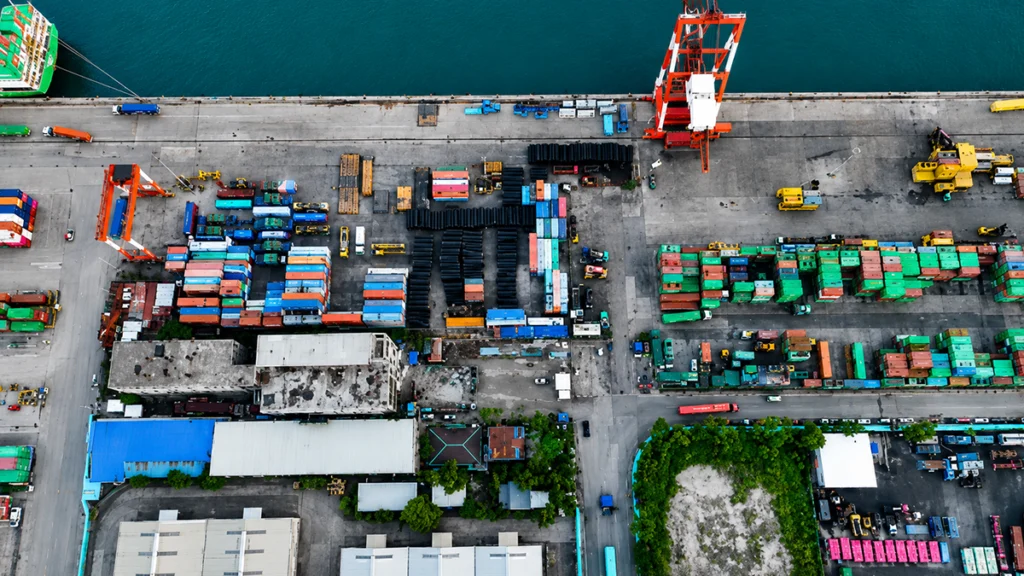
Pricing out HDPE pipe fittings and evaluating lead times for Greece means looking past the sticker price. True landed cost models have to factor in logistics and a factory’s actual manufacturing capacity. Standardize your supplier bids by running them against this checklist:
Premium fittings will still fail if project managers ignore conditions on the ground. The material itself rarely degrades on its own. Almost all blowouts and leaks trace back to external factors.
How do you dodge these bullets? Stick rigidly to ISO 4427 and PPI fusion parameters. Make sure your trench bedding is flawless, and never let uncertified technicians handle the field welding.
Off-the-shelf molded fittings simply can’t solve every engineering headache. Imagine building a coastal desalination plant in Greece. The seawater intake manifold has to weave through a jagged, highly irregular seabed. Trying to force standard 90° or 45° elbows into that layout creates massive stress points and chokes the water flow.
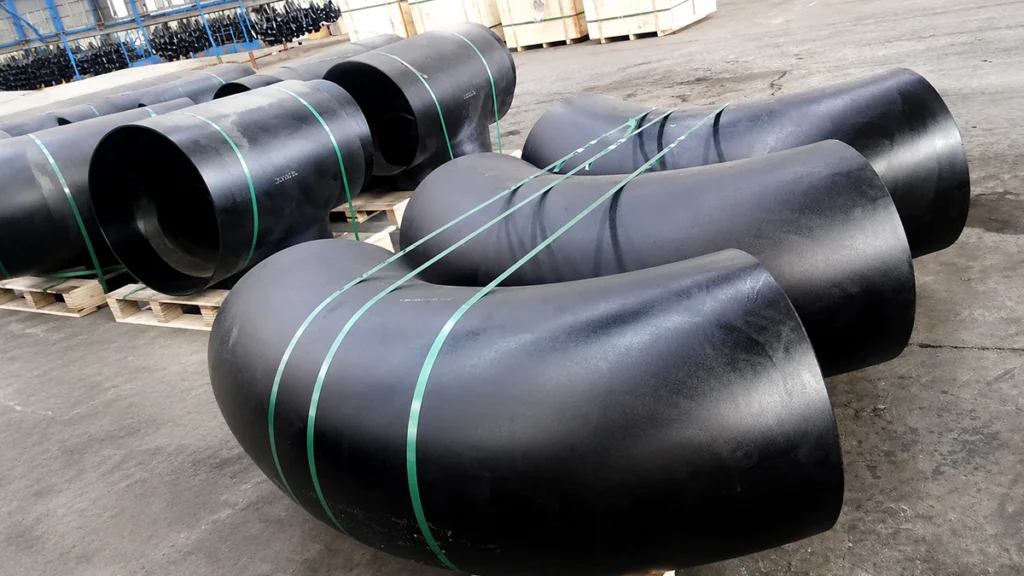
Situations like this demand custom HDPE fittings for export to Greece. Instead of settling, project engineers draft up custom-fabricated parts—think 22.5° elbows, unequal wyes, and highly specific flanged adapters. These are machined and welded directly from pressure-rated PE100 pipe stock. JINQUAN tackles factory-direct custom fabrication by putting certified technicians on the welding floor to build these non-standard shapes. The result? Custom pieces that perfectly match the structural integrity and pressure rating of your primary mainline HDPE pipe.
Finding a trustworthy HDPE pipe fittings supplier for the Greek market requires aggressive vendor vetting. Don’t issue a purchase order until your manufacturing partner clears this evaluation checklist:
If you are running low-pressure, temporary, or seasonal lateral lines for agriculture, PP compression fittings are your best bet since they snap together without welding gear. However, if you are laying down a permanent, high-pressure mainline across rocky Greek terrain, you need butt fusion HDPE fittings. They deliver decades of leak-free durability.
Absolutely. The material naturally resists saltwater corrosion, coastal humidity, and marine biofouling. Add UV-stabilized carbon black into the manufacturing process, and they can bake in the sun for years without degrading. That is exactly why they are the baseline standard for submarine outfalls, port infrastructure, and desalination plants across Greece.
Most municipal water networks in Greece operate on PN10 (10 bar) or PN16 (16 bar) ratings. Your final choice hinges on elevation shifts, surge potential, and the system’s maximum allowable operating pressure. The golden rule? The fitting’s pressure rating must always equal or exceed the pipe it connects to.
It depends on the job site. Butt fusion saves money on long, straight runs of large-diameter pipe (DN90+) provided your trench is wide enough for the heavy machinery. Electrofusion wins out in tight quarters, vertical shafts, or during emergency repairs. It’s also the preferred method for small-diameter gas lines because of its high precision and straightforward operation.
Demand a paper trail. Ask for the factory’s ISO 9001 certificate, their CE markings, and ISO 4427 product compliance documents. You also need raw material data sheets proving they use 100% virgin PE100 resin. Finally, request third-party lab reports that verify both hydrostatic strength and safety compliance for potable water.
Stop looking at just the unit price and ask for quotes based on total landed cost. This calculation rolls the raw unit price, export-grade packaging fees, domestic transport, and sea freight to Greece into one number. Don’t forget to weigh the financial risk of project delays—verify that the supplier actually guarantees their lead times.
Yes. Top-tier manufacturers routinely fabricate custom pieces like unequal wyes, specific degree elbows (like 22.5°), and unique flanged adapters. They machine these directly from PE100 pipe stock. Factory-certified technicians weld them together to ensure the custom part holds up to the exact pressure ratings required by the rest of the mainline.
HDPE pipe fittings act as the unseen backbone of modern, leak-free infrastructure. From agricultural irrigation networks to massive marine and municipal water upgrades across Greece, these components do the heavy lifting. Hitting your project milestones means grasping exactly when to deploy butt fusion versus electrofusion. It means refusing to compromise on ISO 4427 material standards and locking down flawless installation protocols to secure that 50-to-100-year lifespan. When procurement teams prioritize rigorous supplier vetting—demanding proof of factory capacity, clean material traceability, and real export expertise—they eliminate bottlenecks before they happen. Ultimately, that is how you control landed costs and build pipeline systems designed to last.