Address
Zhengzhou, Henan, China
Work Hours
Monday to Friday: 7AM - 7PM
Weekend: 10AM - 5PM
Address
Zhengzhou, Henan, China
Work Hours
Monday to Friday: 7AM - 7PM
Weekend: 10AM - 5PM

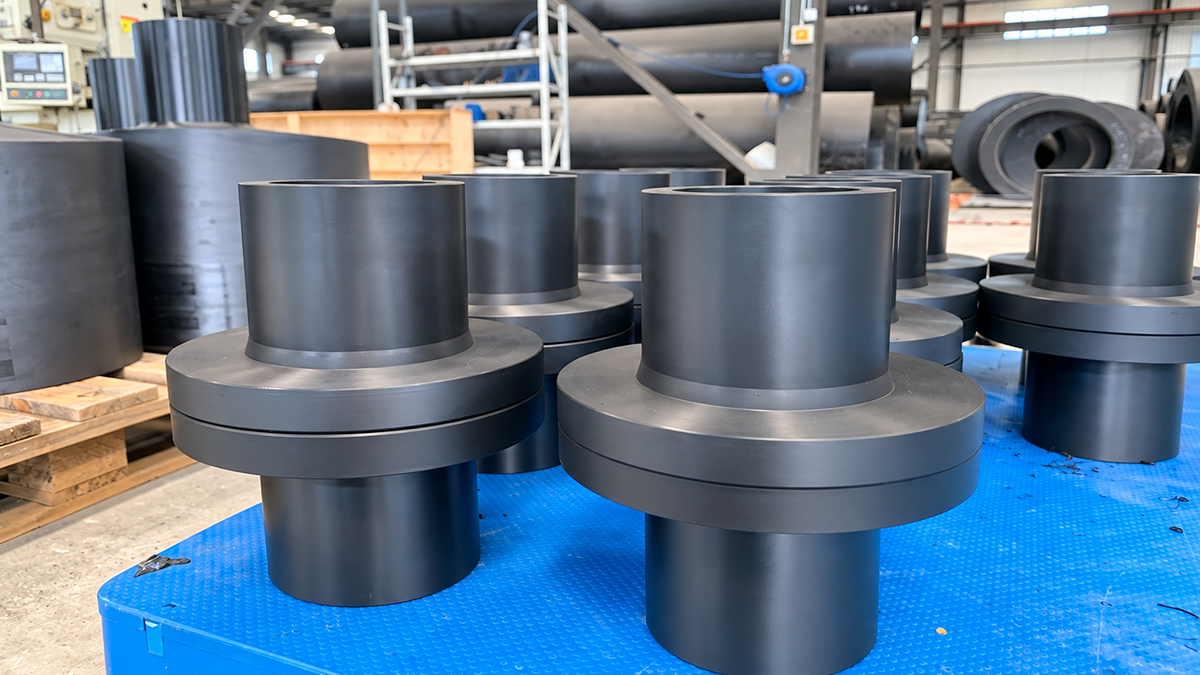
HDPE Pipe Fittings for Chile help mining and industrial buyers compare fitting types, specifications, joining methods, and supplier criteria so they can select corrosion-resistant pipeline solutions with lower downtime and total cost.
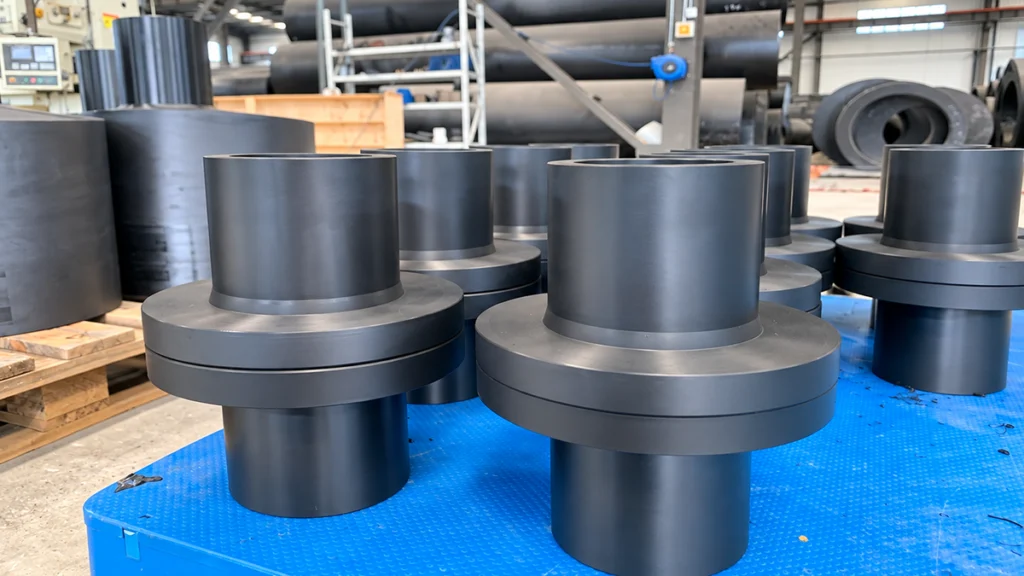
HDPE pipe fittings are essential components used to connect, branch, reduce, terminate, and change the direction of HDPE piping systems in mining and industrial projects across Chile. Common fitting types include elbows, tees, reducers, stub ends, flange adapters, couplers, and fabricated fittings for larger diameters.
For mining applications, PE100 fittings are widely used because they offer good corrosion resistance, flexibility, and compatibility with fusion joining methods. These characteristics make them suitable for slurry transport, mine dewatering, process water, tailings pipelines, and industrial fluid systems exposed to demanding operating conditions.
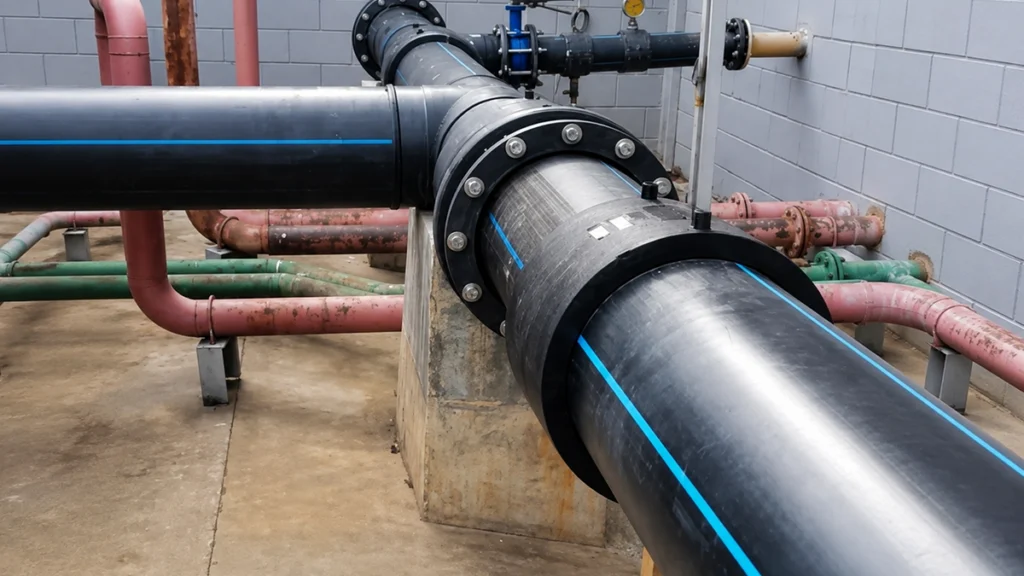
Butt fusion and electrofusion are the two main joining methods used for HDPE systems. When the pipe and fitting are correctly matched by outside diameter, SDR, material grade, and pressure class, fusion can create a continuous joint with reliable long-term performance.
For buyers sourcing HDPE pipe fittings for Chile, selection should focus on pipe diameter, SDR, pressure rating, fitting type, joining method, applicable standards, and project environment. Product ranges may cover small-diameter systems from around DN16 through large fabricated fittings for pipelines up to DN3000, depending on the manufacturer and application requirements.
Extracting copper and gold in Chile exposes equipment to brutal mechanical wear and intense chemical degradation. You need materials that fight back. HDPE—specifically the PE100 grade—packs a Minimum Required Strength (MRS) of 10.0 MPa. This structural resilience easily handles the massive static head pressures found in mountainous terrain.
Abrasion resistance dictates material choices in the mining sector. When subjected to highly abrasive slurry flows packed with crushed rock and sand, HDPE wears down at a fraction of the rate of ductile iron or carbon steel. Consider a recent case study from a Chilean copper mine: after swapping out their legacy steel slurry lines for an HDPE system, operators slashed pipeline maintenance costs by an impressive 60 percent.
Chemically speaking, HDPE remains highly inert. It refuses to react with the sulfuric acid, mineral salts, or cyanide solutions standard in ore beneficiation. While engineers baseline pressure ratings at 20°C, the polymer holds up well under elevated temperatures. You just need to derate the operating pressures accordingly as fluid temperatures approach the typical industrial limit of 60°C to 80°C.
Every industrial pipeline demands a specific HDPE pipe fittings for Chile setup based on its diameter, spatial limitations, and target operating pressure. The table below breaks down the primary HDPE pipe fittings for mining deployed in large-scale infrastructure projects.
| Fitting Type | Joining Method | Max Diameter | Typical Industrial Use Case |
|---|---|---|---|
| Butt Fusion Fittings | Thermal Butt Fusion | Up to DN3000 | Long-distance straight pipelines, heavy-wall slurry transport, and general trunk mains. |
| Electrofusion (EF) Fittings | Internal Resistance Wire Fusion | Up to 1000mm | Confined mine shafts, complex directional changes, and high-pressure repairs requiring 100% leak-proof seals. |
| Fabricated Fittings | Segmented Butt Fusion | Up to 1600mm | Custom large-diameter tees, bends, and wyes for specialized mining pump stations. |
| Socket Fusion Fittings | Thermal Socket Fusion | Up to 110mm | Smaller diameter process water and chemical dosing lines inside processing plants. |
| PP Compression Fittings | Mechanical Threaded Ring | Up to 110mm | Temporary dewatering lines, agricultural irrigation, and low-pressure camp water supply. |
Dialing in the right parameters prevents catastrophic pipeline failures. Engineering and procurement teams have to align their HDPE pipe fitting specifications precisely with the system’s operational demands.
| Parameter | Specification Range | Details & Application Impact |
|---|---|---|
| Material Grade | PE100, PE80, PE100-RC | PE100 is the standard for mining. PE100-RC offers high resistance to slow crack growth for trenchless or sand-bed-free installations. |
| Diameter Range (OD) | DN16 to DN3000 | Ensure exact outer diameter (OD) matching. Fabricated fittings cap at 1600mm; EF fittings cap at 1000mm. |
| SDR 7.4 (PN 25) | Heavy-Walled | Used for high-pressure mining slurry and high static head drops. |
| SDR 9 (PN 20) | Thick-Walled | Standard for high-pressure industrial process lines. |
| SDR 11 (PN 16) | Standard Pressure | Common for trunk mains and general pressure applications. (e.g., 110mm pipe has 10.0mm wall thickness). |
| SDR 17 (PN 10) | Medium Pressure | Utilized for distribution water mains and standard mine dewatering. (e.g., 110mm pipe has 6.6mm wall thickness). |
| International Standards | ISO 4427, EN 12201, ASTM D3035 | Ensure the factory standard matches the pipeline design. A minimum design safety factor (C) of 1.25 applies for water. |
Slurry & Tailings Transport
Moving tailings and slurry safely requires heavy-wall pipes, usually SDR 7.4 or SDR 9. Abrasive crushed rock and highly corrosive slag generate intense internal wear. Thick walls maximize the pipeline’s operational lifespan before crews need to rotate or replace the sections.
Mine Dewatering Systems
Both open-pit and underground mines depend on relentless dewatering to stay operational. High-head discharge systems and deep-well setups generally rely on SDR 11 or SDR 17 HDPE pipe fittings. Because HDPE weighs significantly less than steel, crews can rapidly deploy dewatering lines across rugged, uneven topography.
Industrial Process Water
Chemical processing plants and smelters run cooling water and chemical transport networks using PE100 HDPE pipe fittings for mining. The inert nature of the plastic stops scale buildup dead in its tracks. This keeps flow rates consistent and drives down pump energy consumption over the entire life of the system.
To guarantee system compatibility and long-term reliability, lean on this selection checklist when specifying industrial pipeline fittings:
Flawless installation dictates how long an HDPE pipeline will survive. With electrofusion, meticulous pipe preparation remains non-negotiable. Crews must mechanically scrape the pipe ends to strip away surface oxidation. Failing to expose fresh, virgin polymer ranks as the number one cause of joint failure. You also need to lock the pipe into alignment clamps to stop any movement during the critical heating and cooling phases.
For butt fusion, operators must dial in the heating plate temperature, interfacial pressure, and cooling times to match the pipe’s wall thickness (SDR) exactly. JINQUAN supports this workflow by manufacturing both the HDPE pipe fittings and the proprietary thermal fusion and electrofusion welding machines. This guarantees that voltage outputs and heating plates sync perfectly with the fitting specs.
Solid field quality control (QC) requires strict ovality and dimensional checks before anyone strikes an arc. After welding, teams evaluate the joints via hydrostatic pressure testing. For high-stakes pressure lines, a mechanized linear shear test (LST) verifies the absolute integrity of the fusion zone.
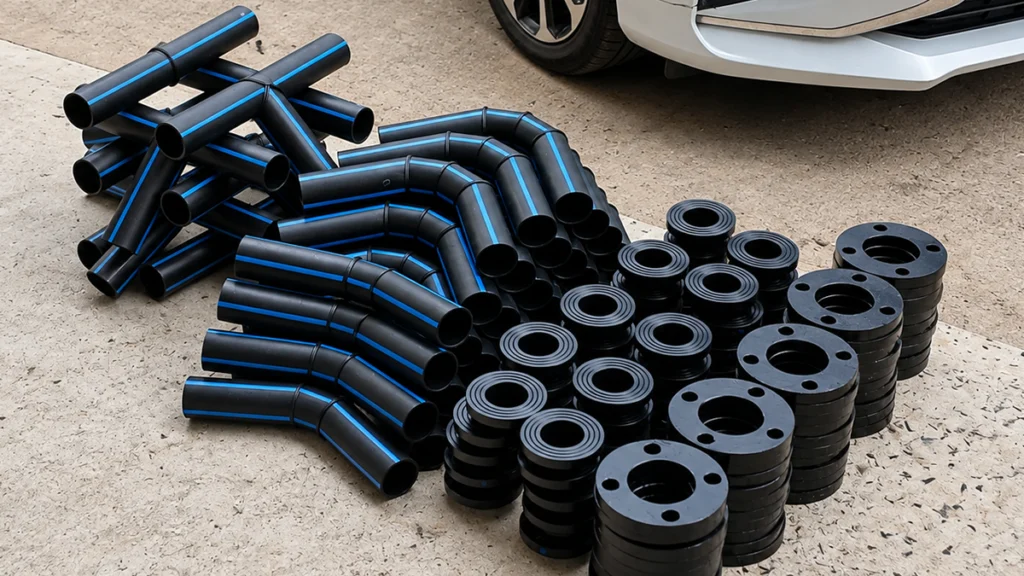
Sourcing materials for massive South American infrastructure projects means partnering with a supplier built for high volumes and relentless quality control. JINQUAN runs a sprawling 200-acre facility with an annual output topping 100,000 tons. The production floor leverages over 40 high-speed pipe extrusion lines alongside 60 injection molding machines.
When vetting a supplier, procurement teams should lock down the commercial framework:
Getting a grip on the variables that sway pricing allows procurement teams to stretch their budgets without compromising on safety.
Primary Cost Drivers:
Common Buying Mistakes:
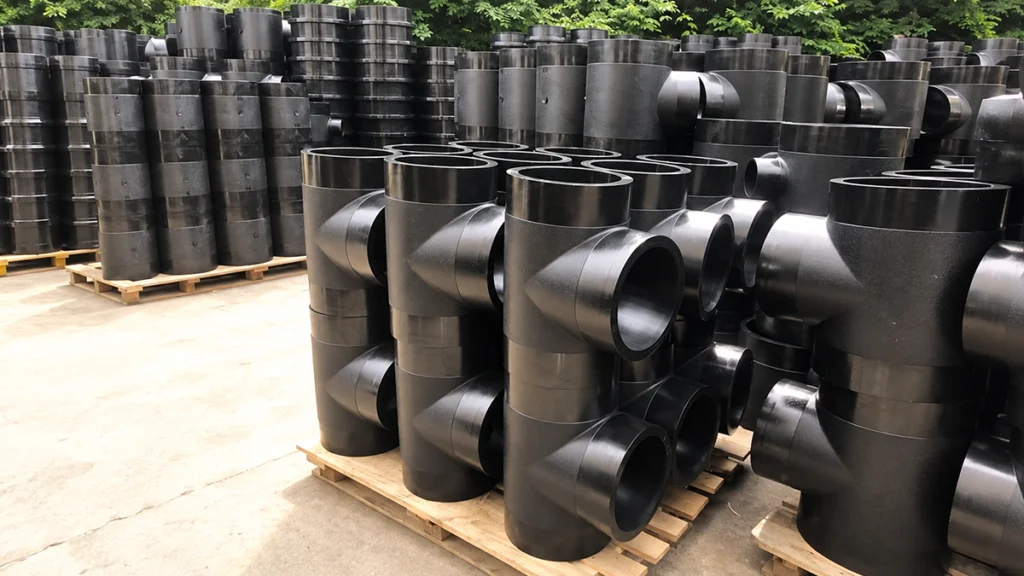
Successfully procuring HDPE pipe fittings for Chile mining pipelines comes down to three non-negotiable alignments: material grade, dimensional standards, and equipment compatibility. Always mandate PE100 resin for high-pressure or abrasive applications. Verify that the SDR rating of your HDPE pipe fittings matches—or exceeds—the pipeline itself. Finally, knock out installation risks by sourcing your fittings and welding equipment from the exact same HDPE fittings manufacturer for Chile to guarantee seamless field fusion. Spelling out these requirements clearly in your request for quotation (RFQ) will streamline your sourcing pipeline and lock in accurate pricing.
Chilean mining operations lean heavily on large-diameter HDPE pipe fittings, typically running from DN110 up to DN1600. Heavy-wall SDR 7.4 (PN25) and SDR 9 (PN20) dominate slurry and tailings transport. Meanwhile, SDR 11 (PN16) serves as the standard for process water and high-head mine dewatering setups.
Absolutely. HDPE stands out as the go-to material for tailings and slurry. PE100 HDPE pipe fitting for mining boast incredible abrasion resistance, wearing down far slower than ductile iron or steel. Heavy-wall options like SDR 7.4 or SDR 9 are specifically deployed to survive the internal scouring generated by abrasive mining waste and crushed rock.
Butt fusion involves heating the pipe and fitting ends against a hot plate before pressing them together under mechanical force. Electrofusion fittings, on the other hand, feature embedded internal resistance wires. A welding machine sends electrical current through these wires, melting the polymer to fuse the fitting directly to the pipe. Electrofusion shines in confined, hard-to-reach spaces.
PE100 dominates industrial and high-pressure applications thanks to a Minimum Required Strength (MRS) of 10.0 MPa. Stick with PE100 for high-pressure water mains, slurry, and mining. PE80 usually handles legacy water systems or low-pressure gas, while PE100-RC is the top pick for trenchless installations.
To get a precise quote, list the exact outer diameter (OD in mm), the required PN or SDR pressure rating, the material grade (like PE100), and the fitting type (electrofusion or butt fusion). You also need to include the quantity, the manufacturing standard (such as ISO 4427), and the final delivery site in Chile.
When working with large-scale, factory-direct suppliers like JINQUAN, production lead times generally span 7 to 15 days, depending on custom fabrication needs and order volume. Keep in mind that ocean freight from the origin port to Chilean destinations—like Antofagasta or San Antonio—will add a few extra weeks to your final timeline.
Yes, top-tier HDPE fittings follow strict international standards, including EN 12201, ISO 4427, and DIN 8074/8075. When backed by SGS and ISO 9001 certifications, compliance with these frameworks proves the fittings can handle the extreme pressure testing, dimensional accuracy, and safety requirements of global mining sites.
Selecting the right HDPE pipe fittings is essential for reliable industrial pipeline performance. Buyers should match PE100 material grade, fitting type, SDR, pressure rating, and joining method to the actual requirements of dewatering, slurry transport, process water, and other industrial applications.
Supplier capability is equally important. ISO 4427 compliance, production capacity, dimensional consistency, quality control, technical support, and the ability to provide compatible welding equipment should all be reviewed before purchase.
Careful evaluation of both technical and commercial factors can help reduce installation risks, improve joint reliability, and support long-term pipeline performance in demanding industrial environments.