Address
Zhengzhou, Henan, China
Work Hours
Monday to Friday: 7AM - 7PM
Weekend: 10AM - 5PM
Address
Zhengzhou, Henan, China
Work Hours
Monday to Friday: 7AM - 7PM
Weekend: 10AM - 5PM

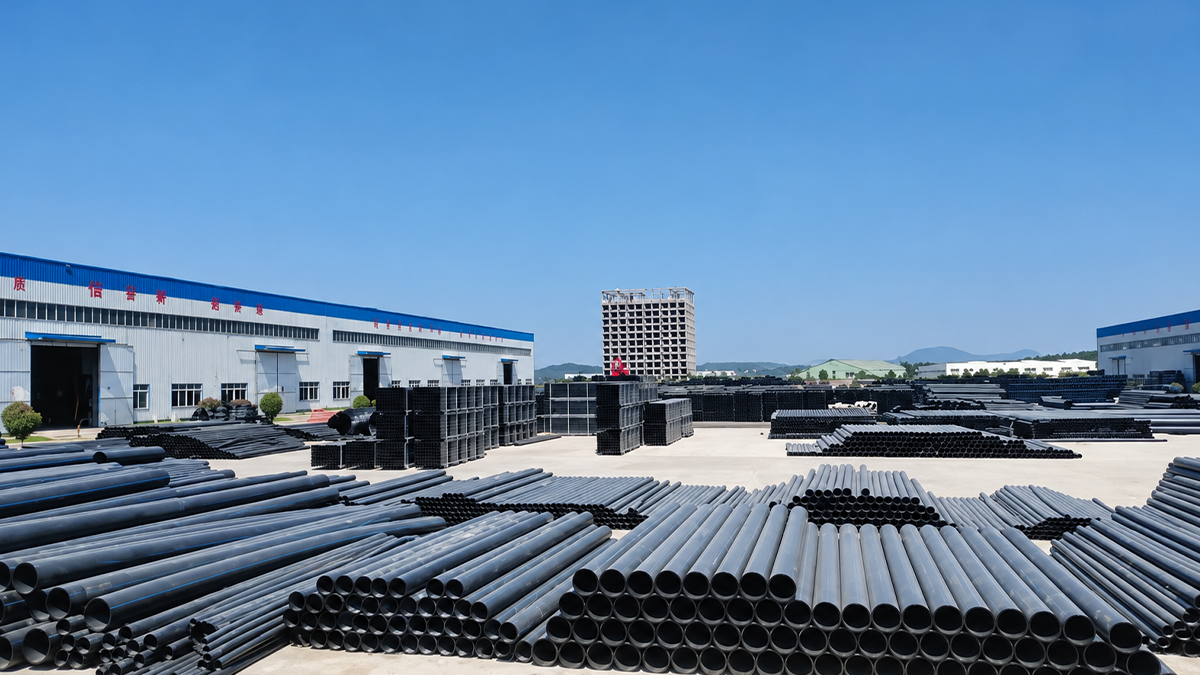
HDPE Pipe Cost depends on diameter, SDR, resin grade, quantity, freight, and installation needs. This guide helps B2B buyers compare quotes and estimate realistic per-meter project costs.
Figuring out the baseline cost per meter for HDPE pipe boils down to a few core factors. You have to look at the pipe’s diameter (DN/OD), the Standard Dimension Ratio (SDR), the specific resin grade (like PE80 or PE100), the size of your order, and how you plan to ship it. High-density polyethylene is treated as a commodity. This means base resin prices constantly shift alongside global petrochemical markets. But the final price tag on your job site really hinges on the engineering parameters needed to handle your system’s operating pressures and environmental demands.
We put together the table below to help procurement managers and pipeline contractors break down these primary cost drivers and figure out the best next steps.
| Cost Driver | How It Affects Cost per Meter | Recommended Buyer Action |
|---|---|---|
| Diameter (DN/OD) | Larger diameters require exponentially more resin per meter and specialized extrusion equipment. | Specify exact outer diameter (OD) in millimeters (e.g., DN110, DN315). |
| SDR / Pressure Rating | Lower SDR values mean thicker walls, utilizing more material to withstand higher pressures. | Match SDR to the required nominal pressure (PN) of the system. |
| Material Grade | PE100 utilizes advanced bimodal resin, offering higher strength than PE80, impacting base material costs. | Require 100% virgin resin certification for potable water or high-pressure lines. |
| Order Volume / MOQ | Large-scale continuous production runs reduce machine setup costs and material waste. | Consolidate project phases into single bulk orders to maximize batch efficiency. |
| Logistics & Packaging | Shipping straight lengths limits container capacity compared to coiled pipes (available for smaller diameters). | Optimize pipe lengths (e.g., 5.8m or 11.8m) to match standard 20ft or 40ft shipping containers. |
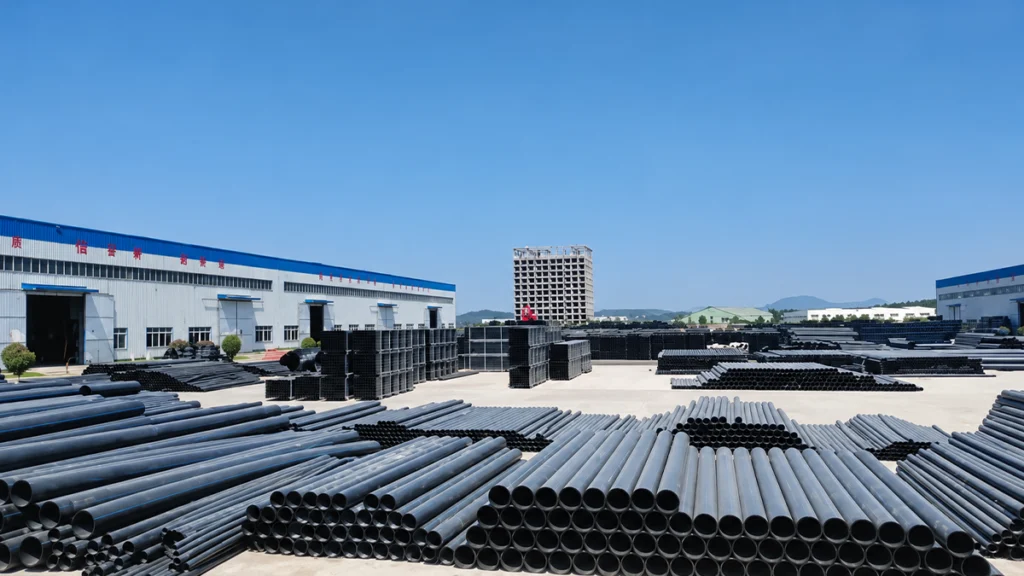
If you want to understand how diameter affects your per-meter costs, you need to look at the exponential relationship between HDPE pipe size, wall thickness, and material volume. JINQUAN produces a massive range of diameters, starting at DN16 and scaling all the way up to DN3000. Whenever the outer diameter goes up, the HDPE pipe needs a proportionally thicker wall to hold the same pressure rating (SDR).
Resin consumption doesn’t just climb on a straight line. It spikes exponentially. Take a standard DN110 HDPE pipe and bump it up to DN225 at the same pressure rating. You just quadrupled the material volume per meter. Consequently, production gets a lot more complicated. When extruding massive HDPE pipes—think DN800 or DN1200—manufacturers have to slow down the line speeds. This extra time ensures the plastic cools properly and holds its dimensional stability, driving up manufacturing overhead.
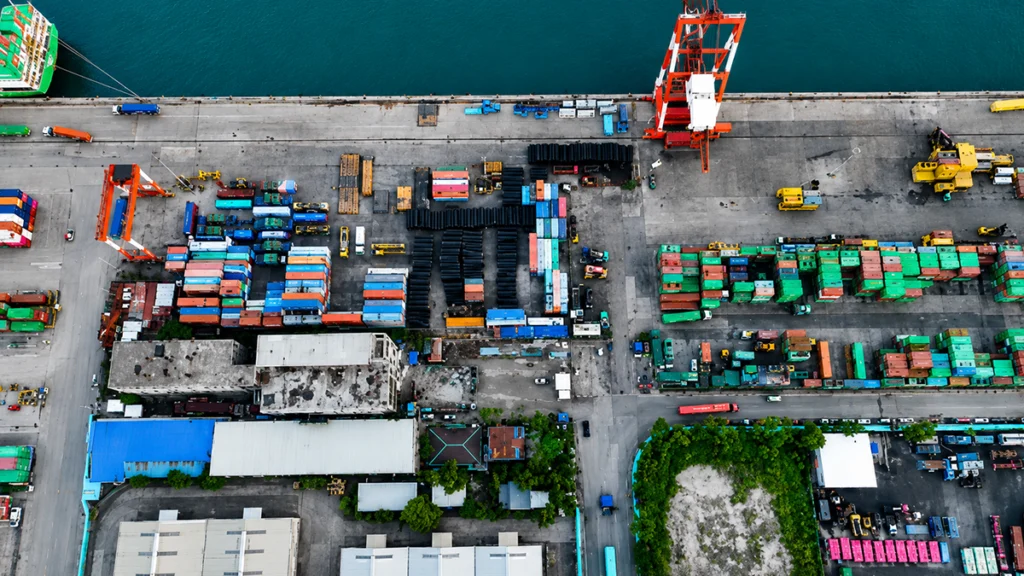
Then you have to factor in freight. Transport costs swing wildly depending on the polyethylene pipe’s girth. You can coil smaller sizes (DN16 to DN110) to pack shipping containers tight. But large-diameter HDPE pipes only ship in straight lengths. Unless you nest smaller HDPE pipes inside the larger ones, you end up paying to ship a lot of empty air.
The Standard Dimension Ratio (SDR) represents the ratio between a polyethylene pipe’s outer diameter and its minimum wall thickness. Simply put, this number tells you how much pressure the HDPE pipe can handle. Most systems align with standard nominal pressure classes like PN4, PN6, PN8, PN10, PN16, PN20, and PN25.
Let’s say you are comparing the price of an SDR 11 pipe against an SDR 17 pipe. You are basically weighing a high-pressure solution (SDR 11, usually PN16 for PE100) against a medium-pressure alternative (SDR 17, usually PN10 for PE100). That SDR 11 pipe has a much thicker wall. It eats up more resin per meter, which naturally pushes the unit cost higher.
Here is a real-world B2B scenario. An agricultural buyer wants to set up a massive irrigation network and initially asks for SDR 11. A quick technical review shows the system will never push past 8 bar of operating pressure. By dropping the spec down to SDR 17—which safely handles 10 bar—the buyer slashes the material volume per meter. Total supply costs drop significantly, and system safety stays completely intact.
| Specification | Relative Wall Thickness | Typical PE100 Pressure Rating | Resin Consumption | Relative Cost Impact |
|---|---|---|---|---|
| SDR 11 | Thick | PN16 (16 Bar) | High | Highest |
| SDR 13.6 | Medium-Thick | PN12.5 (12.5 Bar) | Medium-High | High |
| SDR 17 | Medium | PN10 (10 Bar) | Medium | Moderate |
| SDR 21 | Medium-Thin | PN8 (8 Bar) | Low | Low |
| SDR 26 | Thin | PN6 (6 Bar) | Lowest | Lowest |
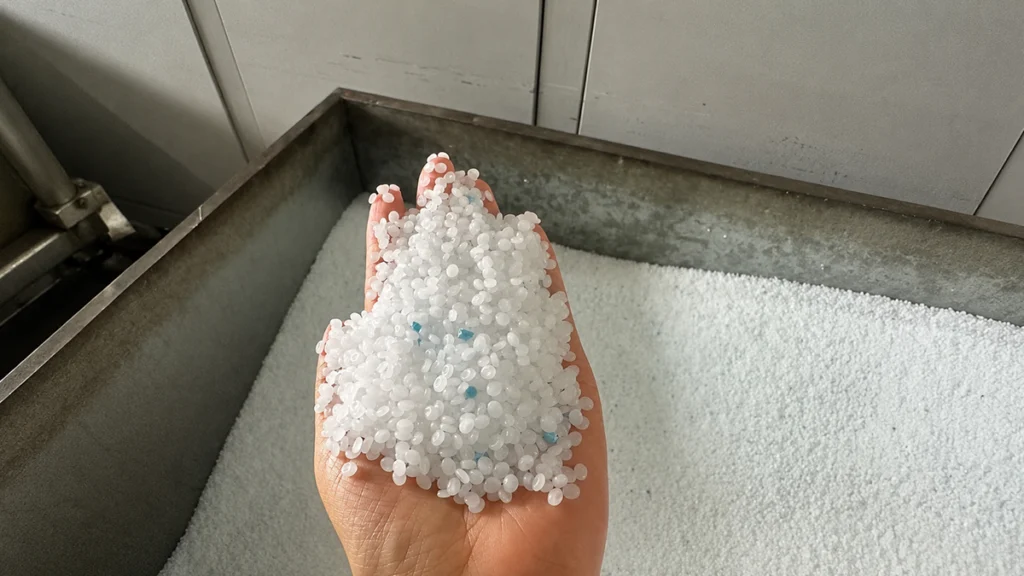
The base polymer driving the manufacturing process controls both performance and the overall price of the material grade. The industry relies on standardized grades, primarily PE80 and PE100. PE100 stands out as a high-density, bimodal resin. It fights off slow crack growth exceptionally well and lets manufacturers hit specific pressure ratings with a thinner wall than PE80 requires.
But resin quality hides some major cost traps. The final price tag swings heavily based on how much virgin resin gets mixed with recycled (regrind) material. Throwing recycled plastic into the hopper definitely drops the immediate production cost. However, it also invites massive quality and compliance risks. Impurities inside that regrind can destroy the HDPE pipe’s hydrostatic strength, causing catastrophic blowouts in high-pressure lines.
Premium HDPE pipes don’t cut these corners. They also blend in vital additives—like a minimum of 2-2.5% carbon black—to provide UV stabilization. This stops the plastic from degrading when sitting in a storage yard or running above ground. If you ever stare at a surprisingly cheap quote, check the resin source immediately. Slashing costs by using garbage resin or skipping UV stabilizers will inevitably lead to nightmare maintenance and early replacement bills.
Manufacturing efficiency dictates everything when it comes to bulk pricing and Minimum Order Quantities (MOQ). JINQUAN runs a massive 200-acre facility, pushing out over 100,000 tons of product every year across more than 40 high-speed extrusion lines. Operating at that scale unlocks incredible batch efficiencies.
Every time a factory switches a line to run a new diameter or a different color stripe, the equipment needs calibration, heating, and purging. Those setup costs never change. When you place a massive bulk order, the factory spreads that fixed setup cost across thousands of meters, driving your unit price down. On the flip side, tiny orders that barely scrape by the MOQ get hit with premium pricing. The factory has to cover the wasted material and disproportionate setup time somehow.
How the HDPE pipe is packaged also plays into logistics pricing. Say you order DN32 HDPE pipe in 100-meter coils. You just eliminated a ton of cutting and handling labor at the plant, all while maxing out the payload of a 40ft High Cube shipping container. Smart buyers align their order sizes with these optimal loading configurations to crush their landed cost per meter.
What you actually plan to do with the PE pipe dictates how strict the manufacturing specs need to be. And those specs directly alter your cost per meter. Supplying a municipal drinking water project costs a whole lot more than laying down basic agricultural drainage. The level of application risk decides the required certifications and how pure the material must be.
Take potable water, for example. You absolutely need 100% virgin resin and strict compliance with health standards to guarantee zero chemical leaching. Gas distribution networks take it a step further. They demand top-tier PE100-RC (Resistance to Crack) resin and intense non-destructive testing because a failure there is catastrophic. On the other hand, if you are moving mining slurry or industrial fluids, you care way more about abrasion resistance than passing a food-grade inspection.
| Parameter | Specification Options | Target Application |
|---|---|---|
| Diameter Range | DN16 – DN3000 | Potable water, drainage, irrigation |
| SDR Options | SDR11 – SDR41 | High pressure (SDR11) to gravity flow (SDR41) |
| Material Grade | PE80, PE100, PE100-RC | Gas, water, mining slurry |
| Standard References | ISO 4427, EN 12201 | Municipal infrastructure |
| Length Form | Coils (up to DN110), Straight (5.8m/11.8m) | Trenchless installation, open trench |
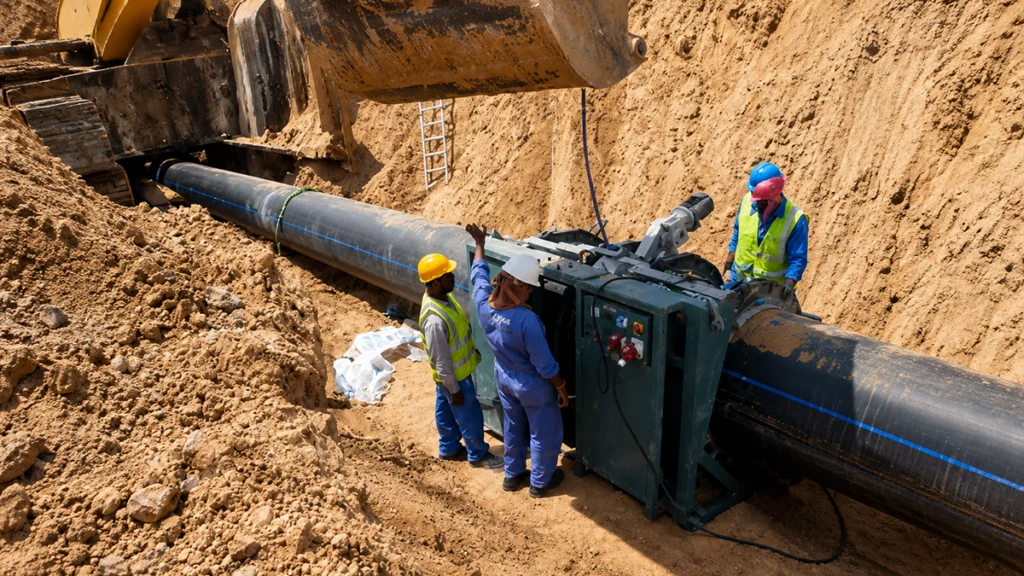
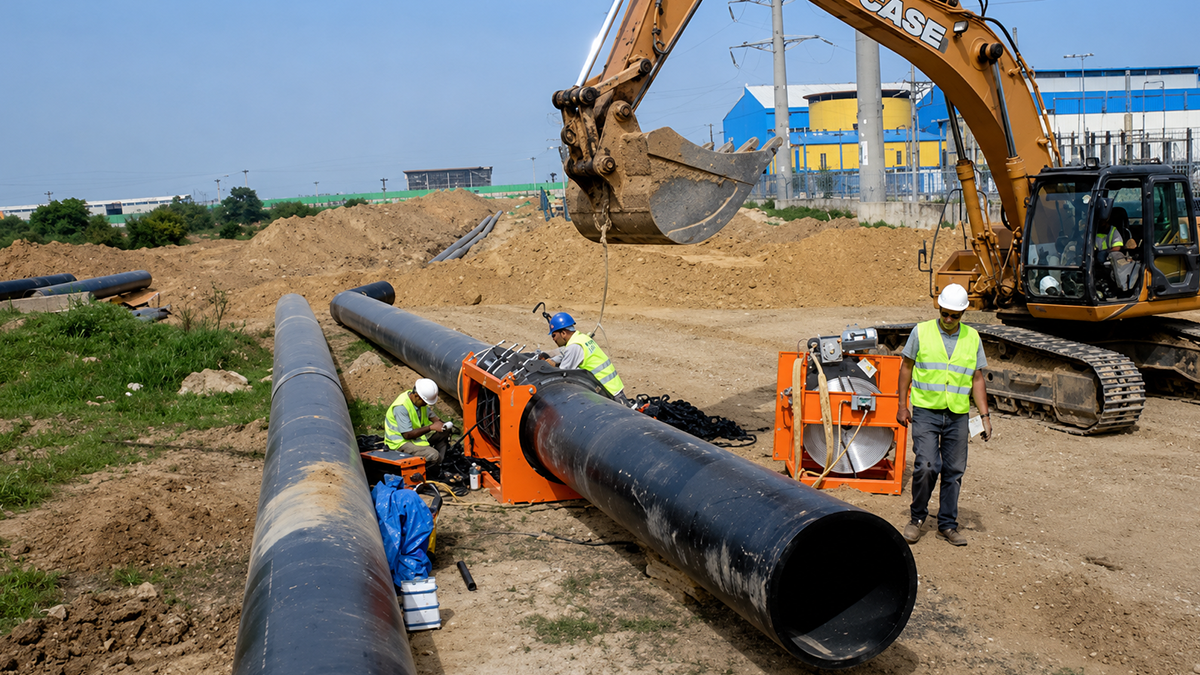
Procurement teams have to draw a hard line between raw HDPE pipe supply costs and the actual installed cost. Depending on your site conditions and how you join the lines, the installation cost per meter can easily match—or even surpass—the price of the plastic itself.
Total project cost pulls in a lot of variables beyond the actual PE pipe. JINQUAN supports a full ecosystem of connection solutions, covering everything from butt fusion and electrofusion to socket fusion, fabricated fittings, and PP compression fittings. Every single one of these methods demands different tools and labor hours. Electrofusion fittings, for example, hit your budget harder upfront. But they take up way less trench space and go together much faster than traditional butt fusion welding.
A realistic breakdown of your total project cost should look something like this:
Sourcing materials on a global scale usually means staring down some wild price gaps. Looking only at the bottom-line number without checking if the technical specs actually match up is a dangerous way to run procurement. You need a structured checklist to guarantee you are looking at an apples-to-apples comparison.
JINQUAN builds strictly to ISO 4427, ISO 14586, and DIN 8077/8078 standards, backing everything up with CE, ISO 9001, SGS, and ISO 14001 certifications. If a competitor throws a dirt-cheap quote on your desk, you better make sure they aren’t shaving down dimensional tolerances or sneaking regrind into the resin.
Keep this checklist handy when putting supplier quotes side by side:
Estimating your project’s HDPE pipe costs takes a methodical approach. You have to start with the hard technical requirements before touching the commercial variables. Keep in mind that resin prices, currency exchange rates, and freight fees never sit still. Any rough math you do internally will eventually need validation from a formal, stamped supplier quote.
1. Define the Hydraulic Requirements: Figure out the necessary internal diameter based on your target flow rate. Then, nail down the absolute maximum operating pressure of the system.
2. Select the SDR and Material: Lean toward PE100 over PE80 if you want higher pressure thresholds without the bulky walls. Align your SDR with that operating pressure (like using SDR 17 for a 10-bar line).
3. Calculate Total Meterage and Add Waste Factor: Map out the total polyethylene pipeline run. Throw in a 5-10% contingency buffer to cover off-cuts, fusion joints, and those inevitable last-minute routing changes on site.
4. Identify Connection Methods: Count up every fitting you need—bends, tees, reducers. Pick your fusion method (butt fusion or electrofusion) so you can accurately forecast your equipment rentals and labor hours.
5. Factor in Logistics: Do the math on how many shipping containers you need. This depends entirely on the HDPE pipe’s diameter and whether it ships in coils or straight lengths.
6. Request Supplier Confirmation: Hand that complete list of technical parameters over to the manufacturer and get a fresh, validity-dated quote.
The smartest procurement strategies always put specification accuracy ahead of blind price hunting. Try not to rely on static, outdated price sheets. Your actual cost per meter changes daily based on global resin markets, the specific SDR your project needs, and how much volume you are ordering.
Always ask for a technical specification review at the exact same time you request the commercial quote. Make the manufacturer hand over their technical data sheets, hydrostatic test reports, and proof of standards compliance. When you partner up with a massive, certified manufacturer like JINQUAN, you lock in factory-direct pricing and bulletproof material integrity. Plus, you get the benefit of optimized export logistics, ensuring your HDPE pipeline easily survives its 50-year design life.
Q1: How much does HDPE pipe cost per meter?
Pricing shifts constantly alongside the global petrochemical market. Your per-meter cost relies heavily on the outer diameter, the SDR (wall thickness), and whether you choose PE80 or PE100 resin. To get a real number, you have to request a customized quote that factors in your specific project specs, total volume, and where the HDPE pipe is shipping.
Q2: Why does the price change based on the SDR rating?
The Standard Dimension Ratio (SDR) measures wall thickness against the HDPE pipe’s diameter. When you see a lower SDR—like SDR 11—it means the pe pipe has a much thicker wall built for high pressure. Extruding that thicker wall burns through significantly more raw polyethylene resin per meter, which naturally drives up the final price.
Q3: Is PE100 more expensive than PE80?
On a baseline level, yes. PE100 resin costs a bit more upfront due to its complex bimodal molecular structure. But here is the catch: because PE100 is physically stronger, it hits the same pressure ratings using a thinner wall than PE80. That high material efficiency usually makes PE100 the cheaper option per meter on high-pressure jobs.
Q4: What details do I need to provide for an accurate quotation?
Suppliers need a few critical details to run the numbers. Give them the exact outer diameter (OD in mm), the target SDR or pressure rating (PN), and your preferred material grade (PE80 or PE100). You also need to share the application type, total order volume, whether you want coils or straight lengths, and your final delivery port so they can calculate freight.
Q5: Does ordering in bulk actually lower the unit cost?
Absolutely. Big manufacturing plants run best when they can leave a line running for days. Massive orders eliminate the constant machine setups, calibration pauses, and wasted purge material. Factories pass those manufacturing efficiencies down to you. Plus, large orders make it easier to optimize container loading, unlocking serious price breaks.
Q6: What goes into the total installation cost?
The raw supply price is just the beginning. Total installation pulls in the cost of specialized fittings, renting or buying fusion welding gear, and paying certified crews. You also have to budget for trenching, sand bedding, backfilling, pressure testing, and moving the material around the site. It is extremely common for installation costs to match or beat the actual material costs.
Q7: How should I compare prices from different manufacturers?
Never make a decision based just on the bottom line. Build a strict checklist to guarantee the specs are identical. Make sure every supplier is quoting the exact same diameter, SDR, and virgin resin grade. Check their ISO 4427 compliance, ask for third-party lab tests (like SGS or CE), and ensure their Incoterms and packaging match up perfectly.
Q8: Why would one quote be drastically cheaper than the rest?
A quote that looks too good to be true usually hides massive quality risks. Dirt-cheap polyethylene pipes are often extruded from recycled or off-spec plastic instead of pure virgin PE100. Sometimes, manufacturers skip crucial UV stabilizers like carbon black. They might even play loose with dimensional tolerances, which guarantees premature blowouts once the system is pressurized.
Understanding the real cost of HDPE pipe per meter requires more than checking the unit price. Pipe outer diameter, SDR, wall thickness, material grade, production standard, order quantity, packaging, and freight terms all affect the final cost. A lower SDR means a thicker pipe wall and higher material usage, while PE100 material is usually selected for higher-performance pressure pipeline applications.
For project buyers, the lowest quotation is not always the best choice. A reliable supplier should clearly state the pipe size, SDR, material grade, applicable standard, test documents, delivery terms, and available fittings or accessories. By comparing quotations on the same basis, buyers can make a more accurate purchasing decision and reduce risks in water supply, drainage, irrigation, mining, and infrastructure pipeline projects.