Address
Zhengzhou, Henan, China
Work Hours
Monday to Friday: 7AM - 7PM
Weekend: 10AM - 5PM
Address
Zhengzhou, Henan, China
Work Hours
Monday to Friday: 7AM - 7PM
Weekend: 10AM - 5PM

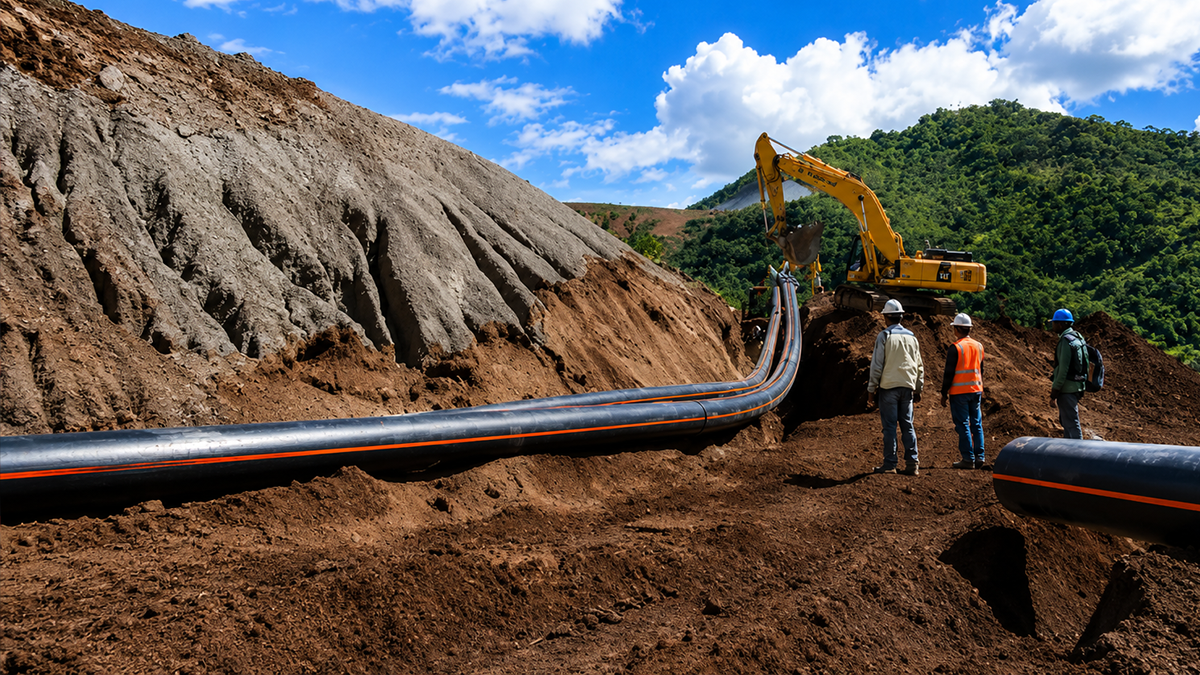
HDPE Mining Pipe helps mines choose the right pipe for slurry, dewatering, and tailings by comparing applications, specifications, pressure ratings, risks, costs, and supplier selection factors.
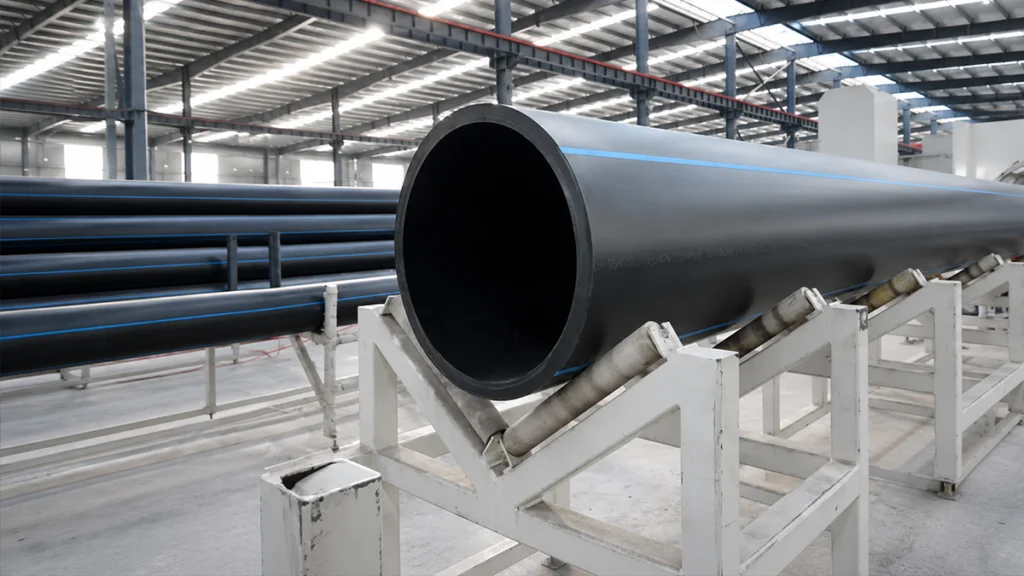
Engineered from high-strength polyethylene resin, HDPE mining pipe serves as a rugged thermoplastic pipeline system. Mining operations rely heavily on it to transport slurry, manage dewatering, handle tailings, and move process water or chemicals. Standard commercial pipes simply can’t survive these aggressive industrial environments. Mining-grade high-density polyethylene, however, is built specifically for the abuse. Nailing down the right mining HDPE pipe for your site means looking closely at the application type, slurry makeup, required pressure rating (PN), Standard Dimension Ratio (SDR), and HDPE pipe mining diameter (DN). You also have to factor in the installation environment and your supplier’s actual manufacturing capabilities.
Manufacturers primarily use PE100 for maximum strength and pressure resistance, though PE80 works well for medium-strength demands. Thanks to their semi-rigid, visco-elastic properties, these HDPE mining pipes deliver an exceptional strength-to-density ratio. They fight off environmental stress cracking with ease while staying flexible enough to snake through unforgiving mine terrains.
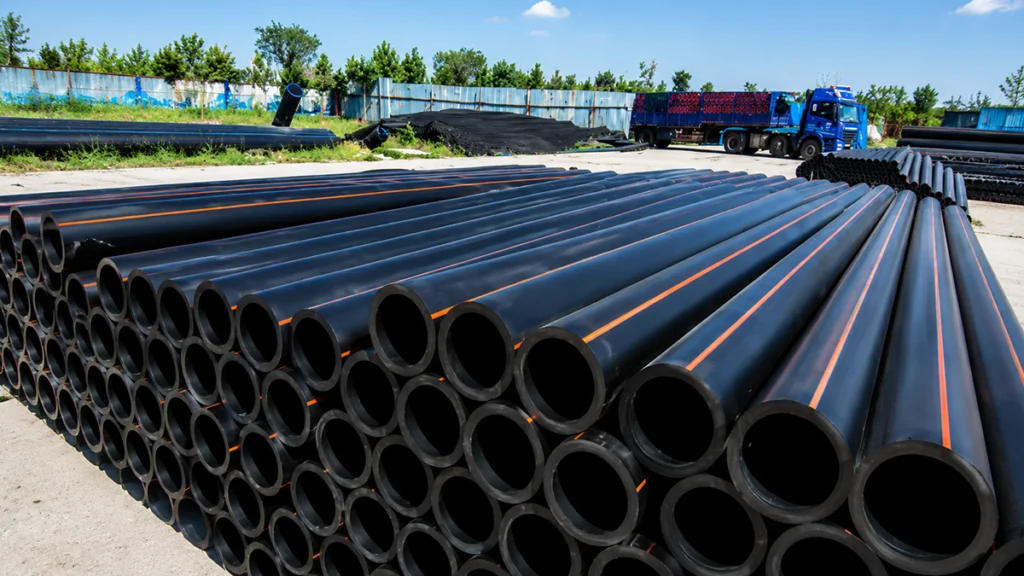
Active mines subject infrastructure to relentless abrasion, highly acidic groundwater, unpredictable soil shifting, and massive pressure spikes. HDPE pipe tackles these harsh realities head-on. Its unique material properties make it an indispensable asset for modern mining infrastructure.
Every zone inside a mining operation demands a tailored HDPE pipeline configuration. Pinpointing the exact operating stresses of each system drives the entire HDPE minig pipeline selection process.
| Application | Operating Concerns | Selection Focus |
|---|---|---|
| Slurry Transport | High abrasion from suspended ore/waste particles, flow velocity. | PE100 grade, thicker walls (lower SDR), abrasion allowance. |
| Mine Dewatering | High pump discharge pressures, water hammer, portability. | Pressure rating (PN), surge resistance, flanged/coiled options. |
| Tailings Pipelines | Long-distance reliability, environmental leak risks, chemical exposure. | Butt fusion joint integrity, chemical resistance, ground settling. |
| Process Water/Chemicals | Exposure to leaching acids (e.g., heap leaching), scaling. | Chemical compatibility, corrosion resistance, UV stability. |
Building a mining pipeline that actually lasts requires strict adherence to precise engineering parameters. Evaluating these core specifications guarantees the system will handle your target volumetric flow and daily operational stress.
| Specification | Details & Mining Standards |
|---|---|
| Material Grades | PE100 (Primary for high pressure/abrasion), PE80 |
| Diameter Range (DN/OD) | DN16 to DN3000 mm |
| Standard Dimension Ratio (SDR) | SDR 7.3, SDR 9, SDR 11, SDR 13.6, SDR 17, SDR 21, SDR 26 |
| Pressure Ratings (PN) | PN4, PN6, PN8, PN10, PN12.5, PN16, PN20, PN25 (up to 25 bar) |
| Temperature Range | -40°C to 60°C (Pressure ratings must be derated above 20°C) |
| Jointing Methods | Butt fusion, electrofusion, socket fusion, mechanical flanges, PP compression |
| Industry Standards | ISO 4427, ASTM F714, ASTM D3035, DIN 8074 / DIN 8075 |
*Note: The Standard Dimension Ratio (SDR) represents the ratio of the outside diameter to the wall thickness. A lower SDR means a thicker wall, delivering a higher pressure rating and a much better wear allowance.*
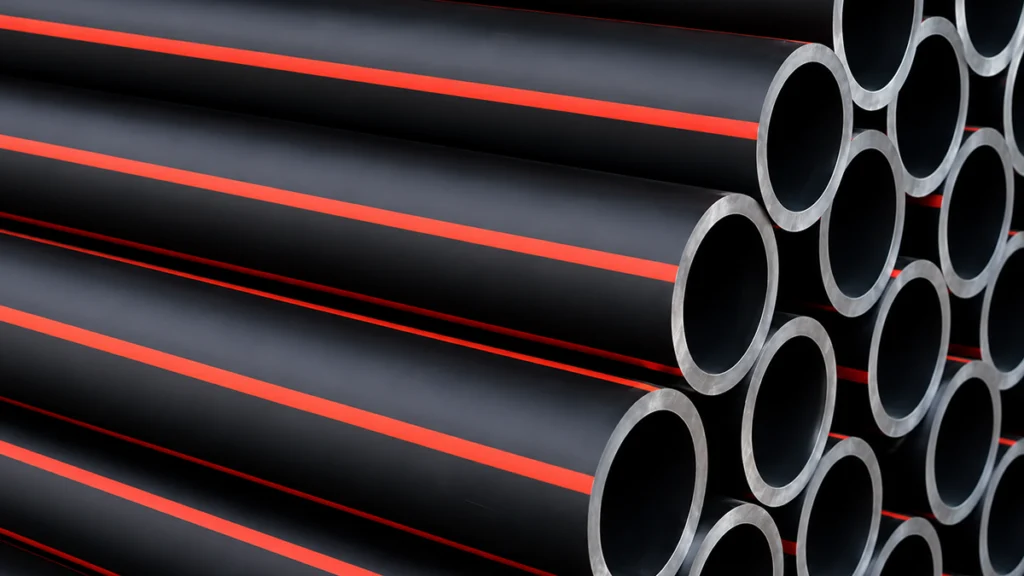
Moving abrasive slurry pushes any HDPE mining pipeline to its absolute limits. Picking the right HDPE mining pipe for this job requires a rigorous engineering look at both fluid dynamics and expected material wear rates.
1. Define Slurry Profile: Map out the slurry density, solids content by weight and volume, and the exact hardness and size of the suspended particles.
2. Calculate Flow Velocity: You need a flow velocity fast enough to keep particles suspended, yet slow enough to limit internal scouring. Depending on the slurry makeup, this sweet spot usually falls between 4 and 8 ft/s.
3. Confirm Pressure: Run the numbers on both your standard operating pressure and the potential surge pressure generated by the pumps.
4. Select SDR and Diameter: Opt for a lower SDR (like SDR 9 or SDR 11) to secure a thicker HDPE pipe wall. That extra thickness acts as a sacrificial wear layer against relentless internal abrasion.
5. Verify Jointing: Demand perfectly smooth internal butt fusion joints. Any internal lip or misalignment at the weld creates flow turbulence, which triggers rapid, localized wear.
Dewatering systems constantly pull groundwater and heavy rainfall out of active pits, keeping working conditions safe and dry. These setups must survive extreme head pressures and constant operational shifts.
Start by separating your temporary, movable lines from your permanent discharge infrastructure. For temporary setups, smaller-diameter coiled lengths paired with mechanical flange connections speed up the initial installation. They also allow crews to rapidly relocate lines as the pit expands. Permanent dewatering lines, however, need butt fusion to guarantee a reliable, zero-maintenance connection.
Always evaluate the pump discharge pressure alongside the vertical elevation head from the pit floor to the surface. Factor in recurring pump cycling, which inevitably triggers water hammer. While HDPE’s inherent flexibility absorbs these surges beautifully, your chosen pressure rating (PN) must easily handle peak transient pressures without ever crossing safety margins.
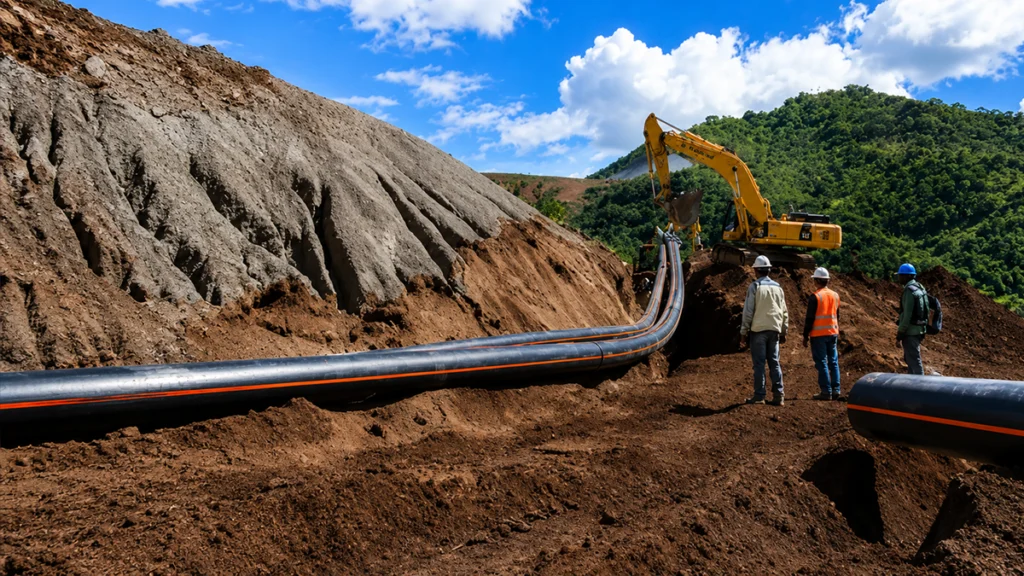
Tailings HDPE mining pipelines move the harsh byproducts of mineral extraction directly to tailings storage facilities (TSF). Because this slurry usually carries hazardous chemicals, heavy metals, and residual acids, environmental safety takes absolute priority.
Specifications for HDPE tailings lines must mandate strict zero-leak performance. Achieving this requires tight butt fusion parameters, top-tier mining HDPE pipe welding machines, and aggressive QA/QC joint testing. Relying on monolithic welded joints eliminates the severe leak risks that plague mechanical couplings over long distances.
Analyze the chemical profile of your tailings to confirm long-term polymer compatibility. Since these HDPE pipelines often stretch across massive, expansive mine sites, the HDPE miningpipe must bend and flex to survive ground settling over time. Finally, design the hdpe pipeline route so maintenance crews can easily access the system for routine environmental compliance inspections.
Deciding between HDPE and steel boils down to the distinct operational parameters of your mine. Steel certainly has a long historical track record, but HDPE has firmly established itself as the modern standard for fluid and slurry transport.
| Feature | HDPE Mining Pipe | Steel Pipe |
|---|---|---|
| Corrosion | Highly resistant; no coatings needed. | Prone to rust, scaling, and chemical attack; requires coatings. |
| Abrasion | Superior for fine slurries; absorbs impact and resists scouring. | Susceptible to rapid scouring and internal wear. |
| Weight | Lightweight; easier, safer, and faster to install. | Heavy; requires heavy lifting equipment and longer setup. |
| Flexibility | High; bends naturally to follow uneven mine terrain. | Rigid; requires fabricated elbows and specialized fittings. |
| Jointing | Heat fusion creates leak-free, monolithic joints. | Welding or mechanical joints are prone to leaks and corrosion. |
| Temperature Limit | Maximum ~60°C for pressure applications. | Capable of handling extreme high temperatures. |
| Pressure Limit | Up to 25 bar (PN25). | Capable of handling extreme high pressures exceeding 25 bar. |
For abrasive slurries, highly acidic water, and punishing terrain, HDPE easily takes the lead thanks to its rugged flexibility and total corrosion resistance.
Grasping the variables that drive HDPE mining pipe costs and service lifespans helps procurement teams lock in better project budgets and timelines. Global PE100 resin prices, target HDPE mining pipe diameters, and your chosen SDR heavily influence the baseline cost. Because a lower SDR mandates a thicker wall, it eats up more raw material, driving up the price per meter. Total project length, custom fabricated fittings, and freight distances will also swing the final invoice.
When running through your mining pipeline supplier selection process, verify that the manufacturer actually holds ISO 9001, ISO 14001, CE, and SGS certifications. Ask for raw material purity documents. You need absolute proof they are using virgin PE100 or PE80 resin rather than cheap recycled regrind, which severely weakens pressure ratings.
Take a hard look at the supplier’s manufacturing capacity. Massive facilities—like JINQUAN’s 200-acre plant that pushes out over 100,000 tons annually—can leverage factory-direct pricing and rapid 7-15 day turnarounds. Prioritize partners who offer robust export packaging, flexible Minimum Order Quantities (MOQ), custom fittings, and the heavy-duty HDPE pipeline welding machines required to actually put the system together.
Specifying a mining pipeline leaves zero room for guesswork. Buyers frequently stumble by ignoring water hammer effects or picking an SDR too thin to survive daily surge pressures. On temporary lines, sloppy flange alignment, the wrong gaskets, or uneven bolt torque will almost always cause leaks. Another massive error? Forgetting to derate the HDPE mining pipe’s pressure capacity when fluid temperatures climb above 20°C. Finally, poor fusion joint quality—usually caused by brutal site conditions or poorly trained operators—can instantly cripple a perfectly engineered HDPE pipe pipeline.
Use this final buyer checklist to gather the necessary data before finalizing specifications:
What pressure rating is best for HDPE mining pipe?
The ideal pressure rating hinges entirely on your specific mining application. Standard ratings span from PN4 up to PN25 (25 bar). High-head mine dewatering systems routinely demand PN16 or PN20 to push water up steep elevation grades. Always calculate the baseline operating pressure and add potential water hammer surges before locking in your final PN or SDR class.
Is HDPE pipe suitable for abrasive slurry transport?
Yes. PE100 HDPE is highly effective and widely preferred for moving abrasive slurries. Its visco-elastic properties absorb heavy impacts and fight off internal scouring much better than rigid steel. Engineers simply need to calculate the slurry’s specific wear rate and specify a thicker wall (lower SDR) to act as a sacrificial wear layer over the life of the mine.
Can HDPE pipe be used for mine tailings pipelines?
Absolutely. HDPE stands as the gold standard for tailings HDPE pipelines thanks to its extreme chemical resistance and leak-proof butt fusion joints. It securely transports acidic or heavy-metal-rich tailings to storage facilities without risking catastrophic environmental spills. Plus, the hdpe pipe’s flexibility easily absorbs ground settling across long distances.
How long does HDPE mining pipe last in slurry applications?
When engineered and installed correctly, an HDPE pipeline easily lasts 50 to 100 years in standard water environments. Highly abrasive slurry applications will shorten that lifespan due to constant inner-wall friction. By selecting a lower SDR to provide a thicker sacrificial wear layer, operators can dramatically extend the HDPE mining pipeline’s functional service life.
What is the difference between HDPE mining pipe and steel pipe?
The difference comes down to raw material behavior. HDPE is lightweight, highly flexible, completely immune to rust, and relies on monolithic heat fusion joints. Steel is rigid, heavy, and highly vulnerable to scaling and corrosion unless heavily coated. HDPE dominates in abrasion and chemical resistance, while steel is strictly reserved for extreme temperatures or pressures far beyond standard mining parameters.
How do I calculate the right pipe diameter for mine dewatering?
Sizing the right mining HDPE pipe requires a close analysis of your target volumetric flow rate and the optimal flow velocity. You need water moving fast enough to be efficient, but not so fast that it causes massive friction loss. You must also factor in the pump’s discharge pressure and the total vertical elevation head from the pit floor to ensure your chosen diameter and SDR work in harmony.
What documents should a mining pipe supplier provide?
A trustworthy manufacturer should hand over a comprehensive documentation package. Expect to see ISO 9001 and ISO 14001 certificates, CE marks, and independent SGS testing reports. Always ask for raw material purity documents to verify the use of virgin PE100 or PE80 resin. Finally, request detailed specification sheets outlining the HDPE pipe’s SDR, PN rating, and exact dimensional standards.
What factors affect the cost of HDPE mining pipe?
Global PE100 resin prices, target diameters, and the required SDR primarily drive the final cost. A lower SDR means a thicker HDPE pipe wall, which consumes more raw polyethylene and increases the price per meter. Other major cost factors include the total order volume, custom fabricated fittings, specialized export packaging, freight logistics, and the supplier’s overall manufacturing efficiency.
Specifying the right HDPE mining pipe is a high-stakes engineering decision. It directly dictates the safety, operational efficiency, and environmental compliance of the entire site. By closely evaluating the specific application—whether you’re moving abrasive slurry, managing high-pressure dewatering, or handling toxic tailings—engineers can pinpoint the exact PE100 material grade, HDPE pipe diameter, and Standard Dimension Ratio (SDR) required. Balancing flow velocities, operating pressures, and rugged terrain with precise HDPE mining pipe specifications guarantees a highly durable, leak-free system. Ultimately, a successful mining infrastructure project relies on pairing these strict technical requirements with a certified manufacturer capable of delivering flawless quality, transparent testing data, and proven fusion technology.