Address
Zhengzhou, Henan, China
Work Hours
Monday to Friday: 7AM - 7PM
Weekend: 10AM - 5PM
Address
Zhengzhou, Henan, China
Work Hours
Monday to Friday: 7AM - 7PM
Weekend: 10AM - 5PM

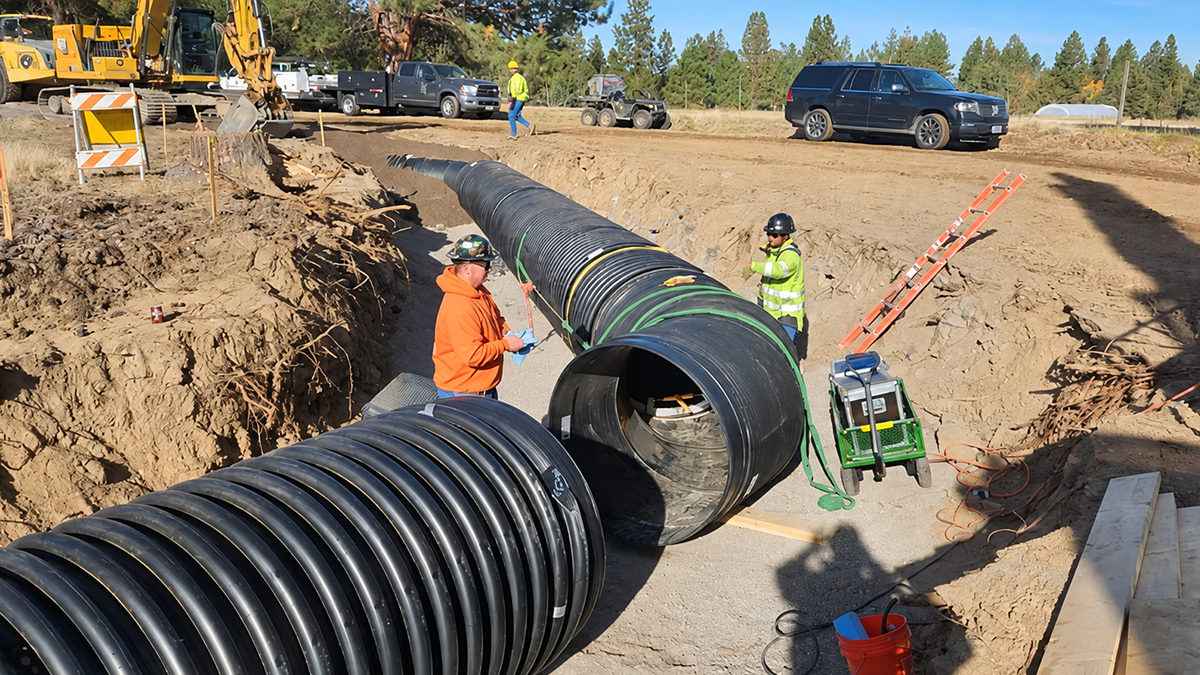
This buyer guide reviews the top 10 Krah pipe manufacturers of large diameter structured wall HDPE pipe, comparing specifications, certifications, price, MOQ, and lead time to help engineers and procurement teams shortlist the right supplier.
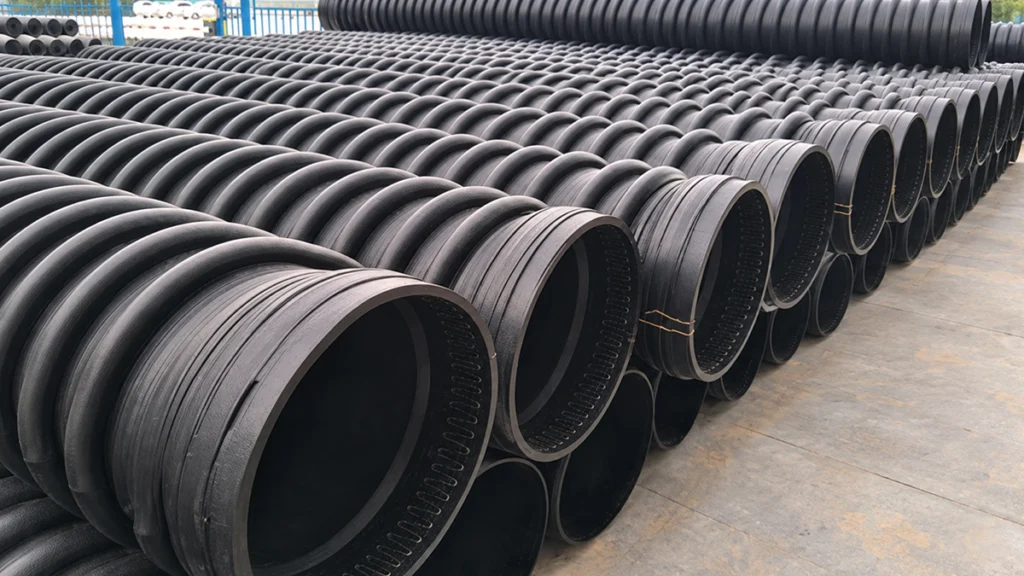
Manufactured through a continuous thermal helical extrusion process—widely known as spiral winding—Krah pipe consists of high-density polyethylene (HDPE) or polypropylene (PP). This advanced extrusion technology yields massive structured wall pipes explicitly designed to handle extreme earth loads. You will typically find them deployed across heavy-duty municipal, marine, and industrial environments where long-term durability and immense load-bearing capacities are non-negotiable.
Core structural features include:
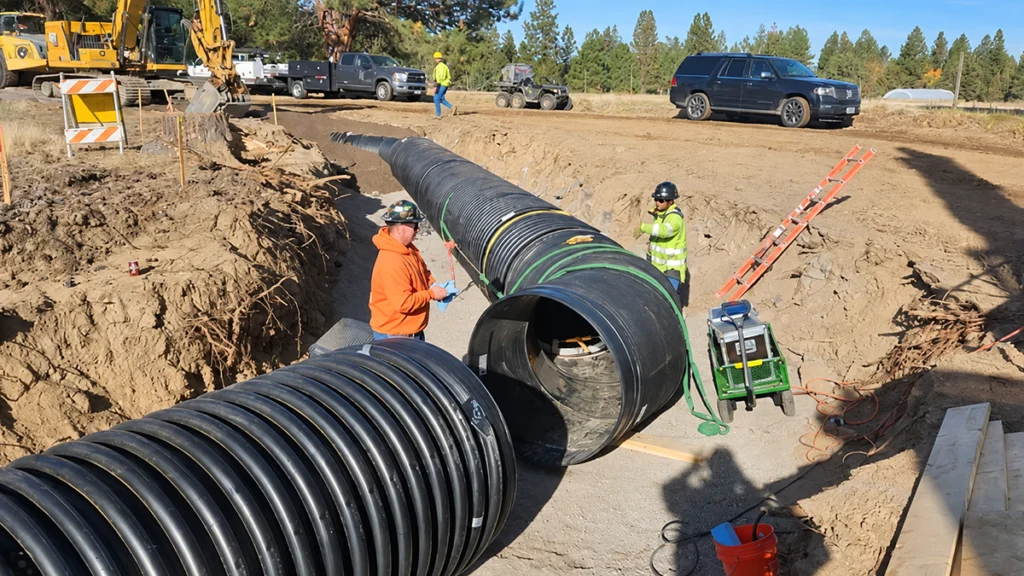
German engineering firm Krah GmbH pioneered spiral winding technology back in 1968. Today, they still supply the core manufacturing machinery to factories worldwide. Here are the leading global producers leveraging this proprietary technology:
1. Krah Pipes Manila Inc. (KPMI): Operating a massive 8,289-square-meter facility in the Philippines, KPMI dominates the Southeast Asian market. They supply major municipal drainage initiatives with structured wall HDPE pipes ranging from DN300 to DN3500mm.
2. Krah USA: Based in Prineville, Oregon. This facility engineers custom, high-stiffness HDPE solutions specifically tailored for demanding infrastructure projects across the United States.
3. Krah Pipes OÜ: An Estonian powerhouse holding the prestigious Nordic Poly Mark certification. By utilizing elite Borealis BorSafe™ HE3490-LS resin, they deliver ultra-durable pipelines to the demanding Northern European market.
4. Krah Misr: A cornerstone supplier for the Middle East and North Africa. Operating out of Egypt, they provide the backbone for massive municipal water networks and industrial cooling grids.
5. Krah Emirates Pipes: Located in the UAE. They specialize in engineering pipes capable of surviving blistering temperatures and highly saline environments, making them a go-to for Middle Eastern marine applications.
6. Krah Asia Inc.: Partnered closely with KPMI and situated in Silang, Philippines. They rely on authentic German extrusion tech to output premium stormwater and sewage drainage pipes.
7. DRD Pipe: A heavyweight in the Chinese manufacturing sector. DRD scales production from DN300 all the way to DN4000mm, supplying both domestic infrastructure and highly competitive international export markets.
8. Shandong Haili Pipeline Technology Co., Ltd: Another major player in China. Known for sheer volume and rapid production capabilities, they manufacture robust DN300–3000mm sewer systems.
9. System Group / PPA: With a massive footprint in Spain and beyond, this global group tackles monumental marine outfalls. Their most notable recent achievement includes supplying the sprawling 3400-meter PESP outfall pipeline in Peru.
10. Krah GmbH: The German architects of the technology itself. While they actively supply the global market with production lines capable of extruding up to DN5000mm, their ongoing engineering advancements continue to set the ultimate benchmark for the industry.
| Company | Country | Max Diameter | SN Range | Core Certifications | Primary Markets |
|---|---|---|---|---|---|
| Krah Pipes Manila Inc. | Philippines | DN3500mm | SN2 – SN16+ | ISO 9001, DIN 16961 | Southeast Asia |
| Krah USA | USA | DN3000mm+ | SN2 – SN16+ | ASTM F894 | North America |
| Krah Pipes OÜ | Estonia | DN4000mm | SN2 – SN16+ | Nordic Poly Mark | Northern Europe |
| Krah Misr | Egypt | DN3000mm+ | SN2 – SN16+ | ISO 9001, EN 13476 | MENA Region |
| Krah Emirates Pipes | UAE | DN4000mm | SN2 – SN16+ | ISO, Bureau Veritas | Middle East |
| Krah Asia Inc. | Philippines | DN3500mm | SN2 – SN16+ | ISO 9001 | Asia |
| DRD Pipe | China | DN4000mm | SN2 – SN16+ | ISO 9001, GB/T 19472 | Global |
| Shandong Haili | China | DN3000mm | SN2 – SN16+ | ISO 9001, CE | Global |
| System Group / PPA | Spain/Global | DN4000mm+ | SN2 – SN16+ | ISO 9001, ISO 14001 | Europe, South America |
| Krah GmbH | Germany | DN5000mm | Machine Mfg. | CE, ISO 9001 | Global |
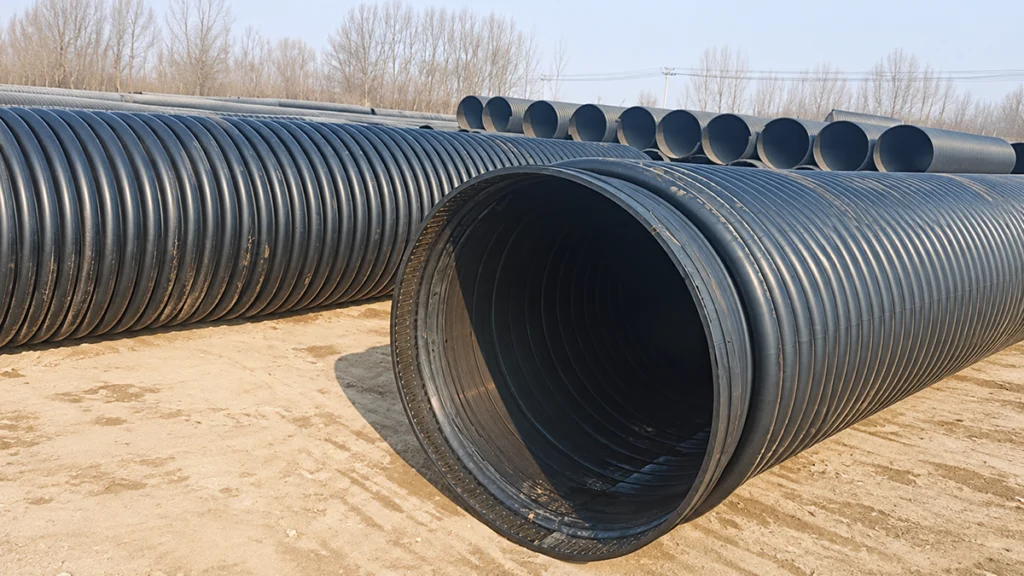
To guarantee structural integrity under brutal traffic loads and deep burial scenarios, Krah pipes must adhere to stringent global standards. Unlike standard extruded plastics, this process permits highly customized ring stiffness (SN) classifications derived from precise static engineering calculations.
| Specification Category | Details & Parameters | Typical Use Cases |
|---|---|---|
| International Standards | DIN 16961, EN 13476, ISO 21138, ASTM F894, ISO 9969 | Municipal sewage, marine outfalls, industrial drainage |
| Material Grades | PE100, PE80, PP-HM (Virgin pre-compounded resin) | Long-term underground infrastructure |
| Ring Stiffness (SN) | SN2 (DN > 500), SN4, SN8, SN16 (Customizable) | SN8 SN16 structured wall HDPE pipe manufacturers cater to deep trench burials |
| Jointing: Electrofusion | Integrated welding wire heated via special device | Narrow trenches requiring 100% leak-proof homogenous joints |
| Jointing: Extrusion Welding | V-seam connection using an extrusion welder (DVS 2207-4) | Low-pressure gravity pipes, large diameter access |
| Jointing: Butt Fusion & Gasket | Secondary options depending on pressure requirements | Non-critical gravity drainage, temporary bypass lines |
Exceptional ring stiffness combined with a lightweight footprint makes this hdpe pipe incredibly versatile. Engineers routinely spec it to replace decaying steel or concrete networks across a variety of harsh environments.
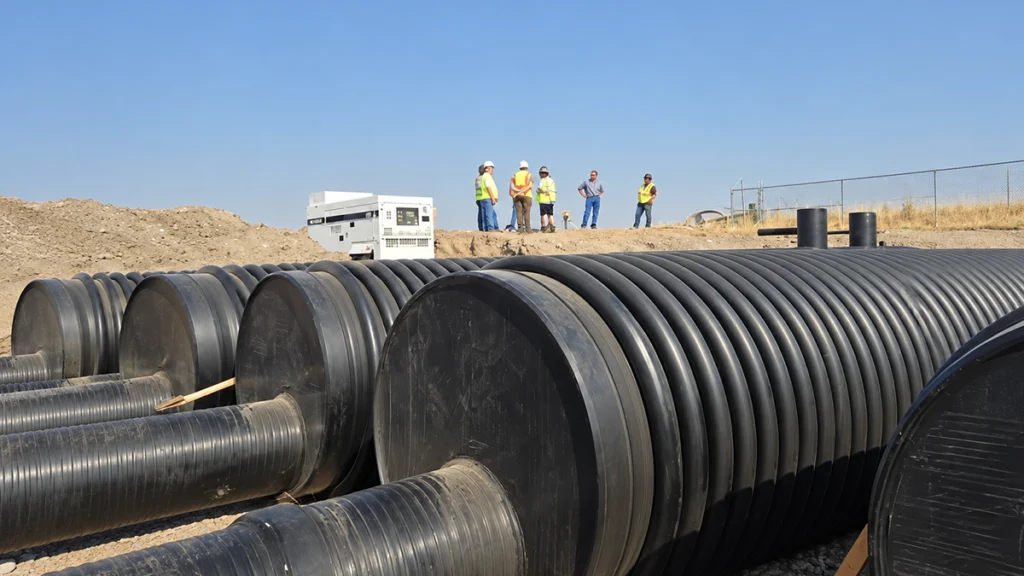
*Case Example:* During a recent urban stormwater overhaul, project engineers selected a DN2000 Krah pipe to swap out a collapsing concrete culvert. The lightweight PE100 structured wall allowed crews to maneuver the massive sections through a highly congested trench quickly. Meanwhile, the integrated electrofusion joints guaranteed zero exfiltration into the surrounding water table.
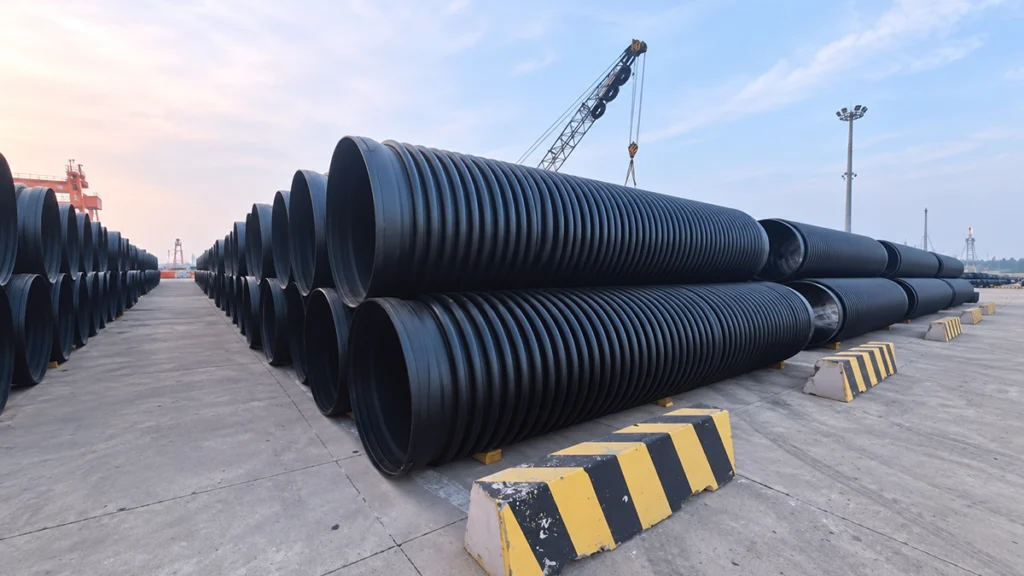
Securing the right manufacturing partner requires looking far beyond the lowest bid. Procurement teams should use this specific checklist to vet potential suppliers:
You cannot price these massive krah pipelines using a simple per-meter flat rate. Understanding the true cost requires a close look at raw material indexes and the total weight of the engineered product.
Cost Breakdown & Pricing Drivers:
| Cost Driver | Market Estimate | Impact on Final Price |
|---|---|---|
| Raw Material Baseline | $1,050 – $1,125 per metric ton | Virgin PE100 resin index dictates the base floor price. |
| Finished Product Price | $1.50 – $2.50 per kilogram | Massive diameters (DN600–DN3000) are priced strictly by weight. |
| Pressure Class Upgrades | +15% to +20% | Upgrading from PN10 to PN16 requires thicker walls, increasing weight. |
Estimated Price Per Meter:
Krah Pipe MOQ and Lead Time:
Balancing upfront capital against long-term performance is the core challenge for any infrastructure engineer. Here is how structured wall technology stacks up against legacy materials.
| Pipe Type | Material Weight | Ring Stiffness | Service Life | Installation & Jointing | Cost Efficiency |
|---|---|---|---|---|---|
| Krah Pipe (Structured Wall) | Very Lightweight | Custom up to SN16+ | 100 Years | Integrated Electrofusion (Leak-proof) | High (Low install cost) |
| HDPE Double Wall Corrugated | Lightweight | Standard SN4/SN8 | 50-100 Years | Rubber Ring / Socket | Medium (Standard sizes) |
| GRP (Glass Reinforced Plastic) | Lightweight | High, but brittle | 50 Years | Bell & Spigot (Prone to cracking) | Medium |
| Concrete | Extremely Heavy | Very High | 50-70 Years | Gasket (Prone to leaking/abrasion) | Low (High lifting costs) |
| Ductile Iron | Heavy | Very High | 50-100 Years | Flanged / Push-on | Low (High material cost) |
*Note: GRP offers high rigidity, but that strength comes with a fatal flaw: brittleness. When the earth settles, GRP often cracks. Krah pipes feature massive elongation at break, allowing them to shift and deform safely with the soil. Furthermore, when compared to standard double-wall corrugated (DWC) plastics, continuous thermal winding technology scales much larger, easily reaching diameters up to 5000mm.*
1. Misinterpreting SDR (Standard Dimension Ratio):
2. Ignoring Joint Preparation:
3. Overlooking Bend Radius Limits:
4. Poor Storage and Handling:
Finalizing your manufacturing partner demands commercial transparency and aggressive technical verification. Use this final checklist before signing any purchase orders:
The global market is dominated by facilities running authentic German Krah machinery. Standout producers include Krah Pipes Manila Inc. (Philippines), Krah USA, Krah Misr (Egypt), and Krah Pipes OÜ (Estonia). In China, heavyweights like DRD Pipe and Shandong Haili push massive volumes of structured wall pipes into the international export market, delivering aggressive pricing for large-scale developments.
These pipes scale up to an enormous DN/ID 5000mm (5 meters). Because the thermal helical extrusion process is continuous, krah pipe manufacturers can scale production steplessly in 100mm increments starting from DN300mm. This massive capacity makes the technology perfect for industrial cooling intakes, marine outfalls, and major municipal storm drains.
Costs are dictated by the total weight of the PE100 resin required to hit your stiffness class. Finished products generally run between $1.50 and $2.50 per kilogram. To put that in perspective, a DN315 pipe might cost $6.80 to $8.60 per meter, whereas a DN600 scales up to $45.00 to $60.00 per meter. Thicker walls for higher SN ratings will push those estimates higher.
Absolutely, especially in zones prone to soil subsidence. GRP is highly rigid, making it vulnerable to impact damage and brittle failure when the ground shifts. Krah pipe boasts high elongation at break, meaning it safely bends and absorbs earth movement. Furthermore, the integrated electrofusion joints create a completely homogenous, leak-proof line, bypassing the notorious failure rates of GRP bell-and-spigot gaskets.
At a bare minimum, they need an active ISO 9001 certification for their quality management system. On the product side, look for strict compliance with ASTM F894, ISO 21138, EN 13476, or DIN 16961. If you are executing a highly critical marine project, demand third-party validations from trusted agencies like Nordic Poly Mark or Bureau Veritas.
The physical extrusion is lightning fast—a DN1200 pipe takes just hours to spin. Standard production lead times generally run 2 to 6 weeks. However, the real delay is shipping. Buyers importing massive diameters must build an extra 4 to 8 weeks into their project timelines to account for ocean freight and vessel booking availability.
While they are fundamentally engineered for gravity and low-pressure environments (stormwater and sewage), they can be adapted for moderate pressure. By utilizing solid wall profiles and increasing the wall thickness, factories can hit specific ratings like PN10. However, for extreme high-pressure industrial lines, engineers usually default to traditional solid wall HDPE pipes.
Integrated electrofusion is the gold standard. The factory pre-embeds a welding wire into the spigot and socket. On site, a dedicated device heats this wire, melting the plastic into a seamless, 100% leak-proof joint. Other options include extrusion welding (running a V-seam on the interior or exterior) or, for non-critical gravity lines, standard butt fusion and rubber gaskets.
Procuring massive structured wall pipes demands a strict audit of manufacturing technology, structural engineering, and raw material purity. Krah pipes deliver unparalleled flexibility, exceptional leak prevention, and a century-long lifespan, easily outclassing brittle GRP and rigid concrete in harsh marine or municipal settings. When evaluating your shortlist of suppliers, insist on 100% virgin PE100 resin, demand verifiable static calculations for ring stiffness, and verify the authenticity of their extrusion machinery. By systematically cross-checking ISO compliance, technical specs, and transparent per-kilogram pricing models, procurement managers can confidently lock in the best possible infrastructure materials for their next large-scale project.