Address
Zhengzhou, Henan, China
Work Hours
Monday to Friday: 7AM - 7PM
Weekend: 10AM - 5PM
Address
Zhengzhou, Henan, China
Work Hours
Monday to Friday: 7AM - 7PM
Weekend: 10AM - 5PM

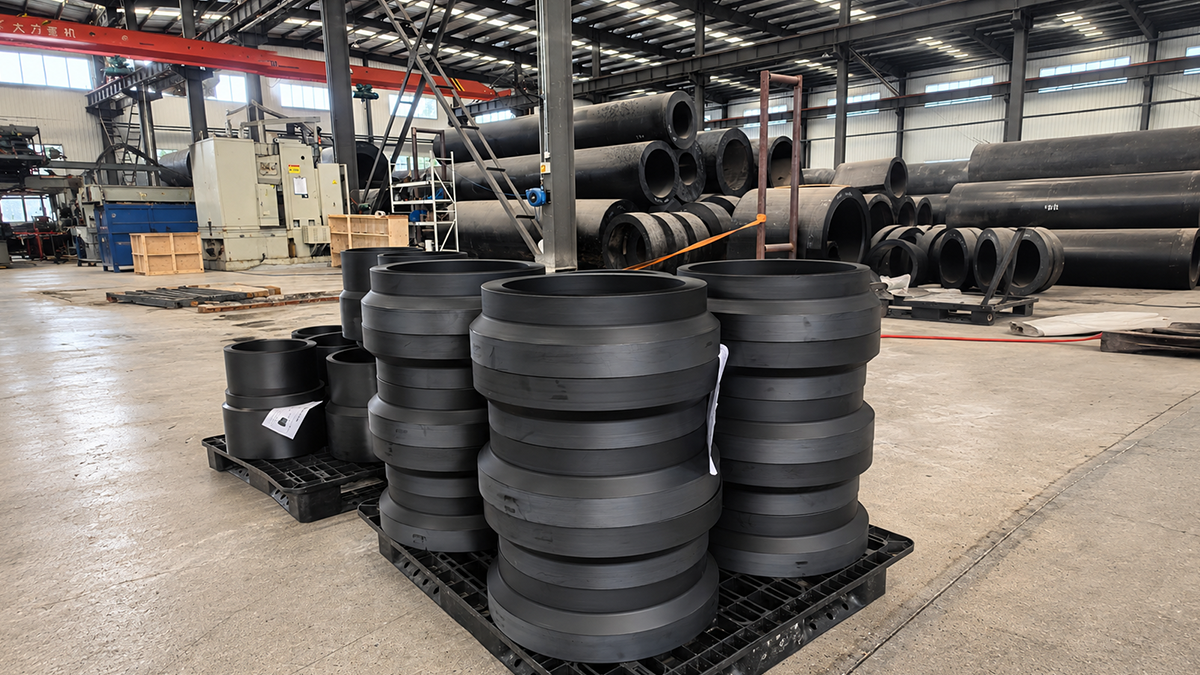
HDPE pipe connection determines the safety, leak-tightness, and lifespan of any polyethylene pipeline. This guide compares butt fusion, electrofusion, and flange connection across process, parameters, cost, standards, and application scenarios, helping engineers and B2B buyers select the right HDPE jointing method with confidence.
Joining High-Density Polyethylene (HDPE) pipes requires specific engineering techniques to bond the materials securely, either to each other or to completely different pipeline infrastructures. A proper joint creates a continuous, leak-free network. In municipal and industrial sectors, contractors typically rely on three core techniques: butt fusion, electrofusion, and flange connections.
The overall integrity of a pipeline hinges on these joints. Your chosen joining strategy directly impacts operational pressure limits, potential leak rates, and the total cost of ownership across a 50-to-100-year design span. When you use heat-fusion, the process achieves true molecular entanglement. This makes the resulting bond just as robust—if not stronger—than the original pipe wall under tension and pressure. However, choosing the wrong technique or ignoring rigorous standards (like ISO 4427 and ASTM F2620) invites disaster. You risk failing initial pressure tests, suffering long-term ruptures, and facing incredibly expensive system downtime.
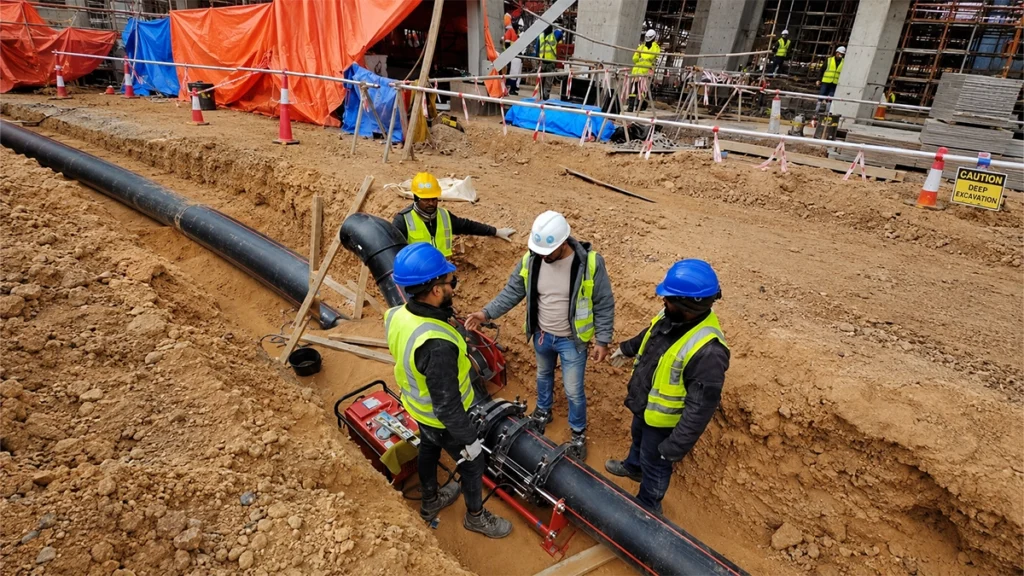
For continuous, straight runs of HDPE pipe, butt fusion serves as the go-to thermal welding process. It works exceptionally well for large-diameter lines, spanning DN50 right up to massive DN3000 sizes. The process relies on a specialized machine that heats the squared, prepared ends of two pipes before pressing them together to form a permanent, monolithic structure.
Achieving this molecular bond means you must strictly follow standard butt fusion procedures, carefully controlling both temperature and pressure.
Step-by-Step Butt Fusion Procedure:
1. Clean and Face: Lock the pipes securely into the machine clamps. After cleaning the ends, run a rotary planer (facer) to shave them down until they are perfectly parallel and square.
2. Align: Inspect the setup for high-low misalignment. Flawless wall alignment is mandatory to distribute stress evenly across the final joint.
3. Heat: Drop a PTFE-coated heating plate between the prepared ends. Apply initial pressure so the pipe makes full contact with the plate, then back off to drag pressure. This lets the heat soak deep into the pipe walls.
4. Fuse: Quickly extract the heating plate. Drive the melted pipe ends together using the exact specified fusion pressure.
5. Cool: Keep the newly formed joint under pressure until it cools entirely.
Standard HDPE Pipe Fusion Welding Parameters and Temperature:
| Parameter | Specification / Standard Value |
|---|---|
| Heating Plate Temperature | 204°C – 232°C for HDPE butt fusion under ASTM F2620; equipment max. temperature up to 270°C |
| Fusion Pressure | 0.15 N/mm² interfacial pressure for ISO/DVS low-pressure procedures |
| Cooling Time | 11 minutes per inch of pipe wall thickness under pressure |
| Cycle Time / Productivity | Depends on pipe diameter, wall thickness, cooling time, machine type, and site conditions |
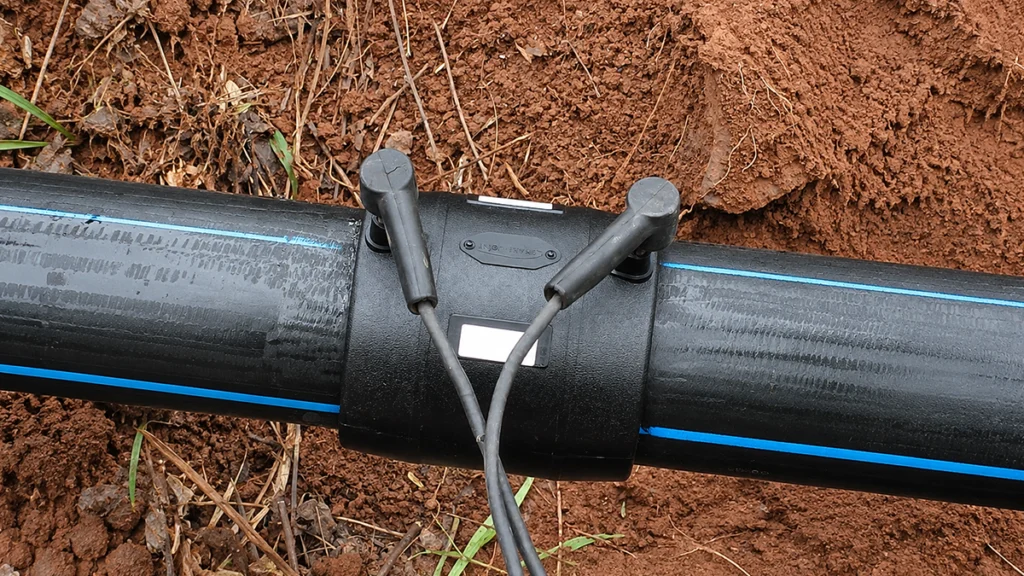
HDPE Electrofusion relies on highly specialized HDPE pipe fittings that contain embedded electrical resistance coils. Sending an electrical current through these coils generates intense heat, melting both the inner surface of the fitting and the outer wall of the HDPE pipe. The result is a highly secure, fused bond. Contractors often prefer this approach for tight trench environments, emergency repairs, and situations where you need to join HDPE pipes featuring slightly different wall thicknesses (SDRs).
Most electrofusion fittings operate at a standard constant output of either 39.5V or 40V. Today’s modern processors also feature barcode traceability. Scanning the fitting’s barcode automatically dials in the exact voltage, heating duration, and cooling cycle, largely removing human error from the equation.
Electrofusion Installation Checklist:
1. Clean and Scrape: Wipe down the HDPE pipe end thoroughly. Next, mechanically scrape the outer layer to strip away oxidation. Do not skip this step; molecular fusion will fail if oxidation remains.
2. Align and Mark: Measure and mark the exact insertion depth on the HDPE pipe, verifying that the cut is totally square.
3. Clamp: Secure the assembly with alignment clamps so the HDPE pipe and fitting stay completely motionless.
4. Scan and Fuse: Hook up the HDPE electrofusion processor leads, scan the provided barcode, and start the fusion cycle.
5. Cool: Keep the alignment clamps firmly in place for the full required cooling duration (e.g., 600 seconds) before you attempt to move the HDPE pipe.
When you need to tie HDPE into valves, pumps, or alternative materials like ductile iron and steel, mechanical flange connections do the heavy lifting. They also represent the best option for temporary lines that require regular dismantling, such as slurry HDPE pipelines in mining operations.
A solid flange assembly requires perfectly even stress distribution. You will need a few specific components to make this work: an HDPE stub end (flange adapter) fused to the HDPE pipe, a metal backing ring (lap-joint flange), an appropriate gasket, and high-strength heavy hex bolts paired with nuts and washers.
Bolt Torque Sequence and Rules:
Project engineers constantly weigh equipment expenses against operator skill requirements and joint permanence when deciding between HDPE electrofusion, butt fusion, and mechanical flanges.
| Feature | Butt Fusion | Electrofusion | Flange Connection |
|---|---|---|---|
| Equipment Required | High, especially for large hydraulic fusion machines | Medium, compact EF processor required | Low to medium, mainly torque wrenches and flange accessories |
| Operator Skill Level | Medium to high; correct pressure, temperature, alignment, and cooling control required | Medium; barcode or automatic welding cycle, but manual scraping and clamping are critical | Low to medium; proper bolt tightening and gasket alignment required |
| Pipe Size Range | DN63 to DN1600+; larger sizes available by project | DN20 to DN630 common; larger sizes depend on fitting availability | Wide size range, depending on flange and backing ring availability |
| Pressure Rating | Matches pipe pressure rating, depending on SDR and welding quality | Matches pipe or fitting pressure rating, depending on SDR and fitting specification | Matches pipe or flange rating, depending on flange, gasket, and backing ring |
| Joint Material Cost | Low; no extra electrofusion fittings required | High; specialized electrofusion fittings required | Medium; stub end, backing ring, gasket, and bolts required |
| Installation Speed | Slower due to facing, heating, fusion, and cooling time | Fast installation, but scraping, clamping, welding, and cooling are still required | Fast assembly, but proper bolt torque sequence is required |
| Dismantlable | No; permanent monolithic joint | No; permanent welded joint | Yes; removable and serviceable connection |
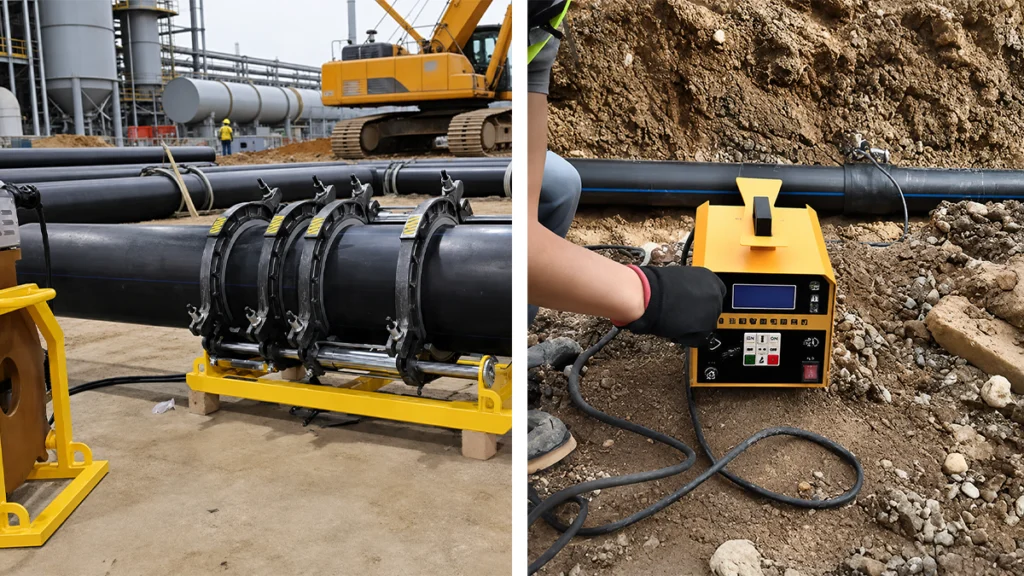
The physical layout of the job site and the operational demands of the HDPE pipeline dictate which joining method makes the most sense.
Municipal Water & Gas Mainlines
Butt fusion dominates long, straight HDPE pipeline runs across open terrain. It boasts the lowest material cost per joint while delivering a seamless network capable of withstanding high-pressure water and gas transmission. In fact, utility operators widely consider it the gold standard for main gas lines.
Repairs, Tie-ins & Tight Trenches
When heavy butt fusion machines simply cannot squeeze into a narrow trench, electrofusion becomes mandatory. It is the default approach for pipeline tie-ins, rapid emergency repairs, and bridging the dimensional gap between pipes with slightly different wall thicknesses.
Mining & Industrial Plants
Flange connections step in when transitioning between HDPE pipeline materials, like hooking up a new HDPE water main to legacy steel infrastructure. They also prove essential in industrial plants and mining slurry lines where maintenance crews need to frequently rotate HDPE pipe sections or dismantle the system entirely to clear blockages.
Meeting international engineering standards guarantees your joints will hold up under severe pressure and harsh environmental conditions.
Calculating the true cost per joint requires looking past the simple sticker price of a fitting. The real financial structure includes material costs, equipment rental or depreciation, labor hours, and QA/QC testing.
While butt fusion offers the cheapest material cost, you have to account for higher labor expenses and equipment depreciation due to the lengthy cooling times. Conversely, electrofusion fittings command a premium upfront price but drastically slash the labor hours spent down in the trench.
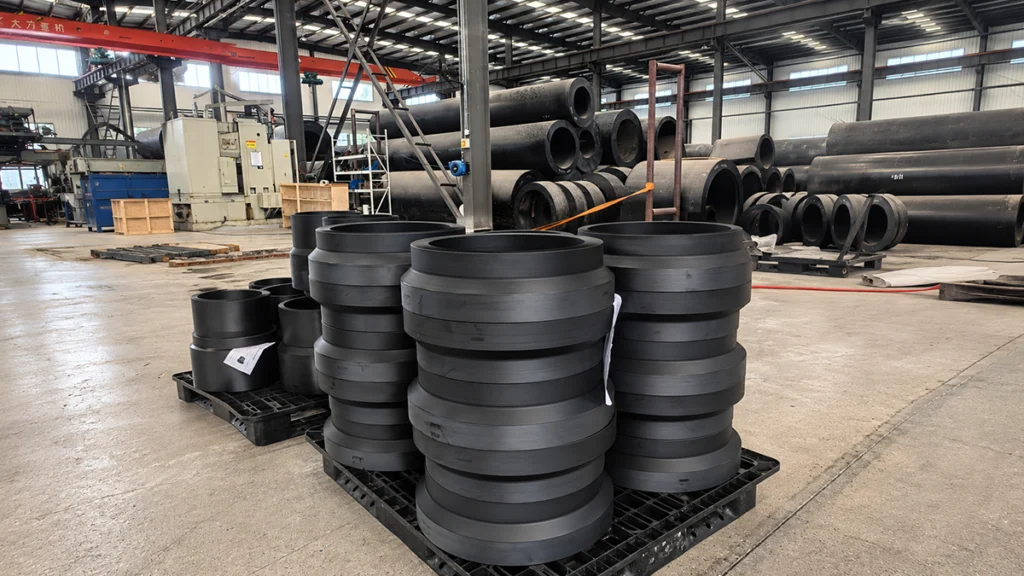
Looking at this from a supply chain angle, partnering directly with a massive factory supplier—think of a 200-acre facility pushing out 100,000 tons a year—yields serious benefits. Standard production runs for matching HDPE pipes and fittings usually carry lead times of just 7 to 15 days. Minimum Order Quantities (MOQs) rarely pose a rigid barrier; they typically flex based on project needs,HDPE pipe diameters, and any requirements for custom-fabricated pressure fittings.
Grasping why joints fail helps pipeline engineers prevent catastrophic blowouts. The vast majority of failures happen during the initial hydrostatic pressure test and almost always trace back to operator error.
Finding the perfect joining method means balancing technical requirements against real-world site constraints. Run through this checklist before making your final call:
1. Operating Pressure: Must the joint handle the full PN rating of the HDPE pipeline? (If yes, lean toward butt fusion or electrofusion).
2. Physical Space: Are you working in a trench too narrow for bulky machinery? (Electrofusion is your best bet).
3. Future Maintenance: Will crews need to dismantle or expand the network later? (Go with flange connections).
4. Labor Availability: Do you employ seasoned manual welders, or do you need automated barcode scanning to minimize human error?
5. Lifecycle Budget: Is the goal to slash upfront fitting expenses, or are you trying to minimize long-term maintenance costs?
For long, permanent utility lines, butt fusion easily takes the crown for cost-effectiveness and reliability. When dealing with complex trench configurations, automated reliability, and fast repairs, electrofusion wins out. Finally, for equipment transitions and temporary lines, flanges remain the undisputed standard.
What is the strongest connection method for HDPE pipes?
Butt fusion and electrofusion tie for the top spot. Because both rely on thermal heat to melt the polyethylene, they achieve true molecular bonding. When technicians follow standard parameters, the finished monolithic joint handles tension and pressure just as well as—or better than—the virgin HDPE pipe.
Can you connect HDPE pipe without a fusion machine?
Yes, you can bypass fusion machines by utilizing PP compression fittings or mechanical flange connections. Keep in mind, however, that a flange assembly usually requires fusing an HDPE stub end to the HDPE pipe first. Compression fittings are strictly reserved for smaller diameters and lower pressures, making them common in temporary plumbing or irrigation setups.
How long does a butt fusion joint take to cool before pressurizing?
Under ASTM F2620, butt fusion joints require 11 minutes of cooling time per inch of HDPE pipe wall thickness while locked under pressure in the machine. After that, the joint must return completely to ambient temperature before it handles rough movement, trench backfilling, or hydrostatic testing.
What is the difference between electrofusion couplers and butt fusion fittings?
HDPE Electrofusion couplers feature built-in electrical resistance coils. When a processor applies voltage, these coils generate the heat needed to melt the plastic. Butt fusion fittings, on the other hand, are simply molded or fabricated blocks of polyethylene. They lack electrical components and require an external heating plate to melt the plastic before joining.
How do you connect HDPE pipe to PVC or steel pipe?
Tying HDPE into steel, ductile iron, or PVC requires a mechanical flange connection. You fuse an HDPE stub end to the HDPE pipe, slip a metal backing ring over it, and bolt the whole assembly to the matching flange on the steel or PVC side, compressing a gasket in between.
What pressure rating can an HDPE flange connection handle?
Properly engineered flange connections handle the exact same pressure rating as the primary pipeline. The HDPE stub end needs to match the HDPE pipe’s Standard Dimension Ratio (SDR), and the metal lap-joint flange must carry a rating appropriate for the operating pressure, like PN16 or PN10.
Why do HDPE fusion joints fail and how can failures be prevented?
Poor preparation drives almost all fusion failures. This includes failing to scrape oxidation before electrofusion, inadequate cleaning, or sloppy temperature management during butt fusion. You prevent these issues by enforcing standard operating procedures, keeping the fusion zone bone-dry, and using barcode automation whenever possible.
Which HDPE connection method is most cost-effective for large-diameter pipelines?
Butt fusion easily wins out for large-diameter projects. Even though the upfront cost to buy or rent a massive fusion machine is steep, you completely eliminate the need to buy specialized joint fittings. Over miles of HDPE pipeline, those per-joint material savings make butt fusion incredibly economical.
A high-density polyethylene pipeline is only as strong as its weakest joint. Grasping the core engineering principles behind flange connections, electrofusion, and butt fusion empowers project managers to control installation budgets, mitigate site risks, and maintain strict compliance with global standards like ASTM F2620 and ISO 4427. By assessing your operating pressures, lifecycle maintenance needs, and trench conditions, you can pinpoint the exact connection strategy required to deliver a flawless, leak-free network for its entire 50-to-100-year lifespan. Partnering directly with a scaled factory supplier further guarantees that your fittings, pipes, and welding parameters align perfectly for optimal field performance.